Milaya – Patterns of Home
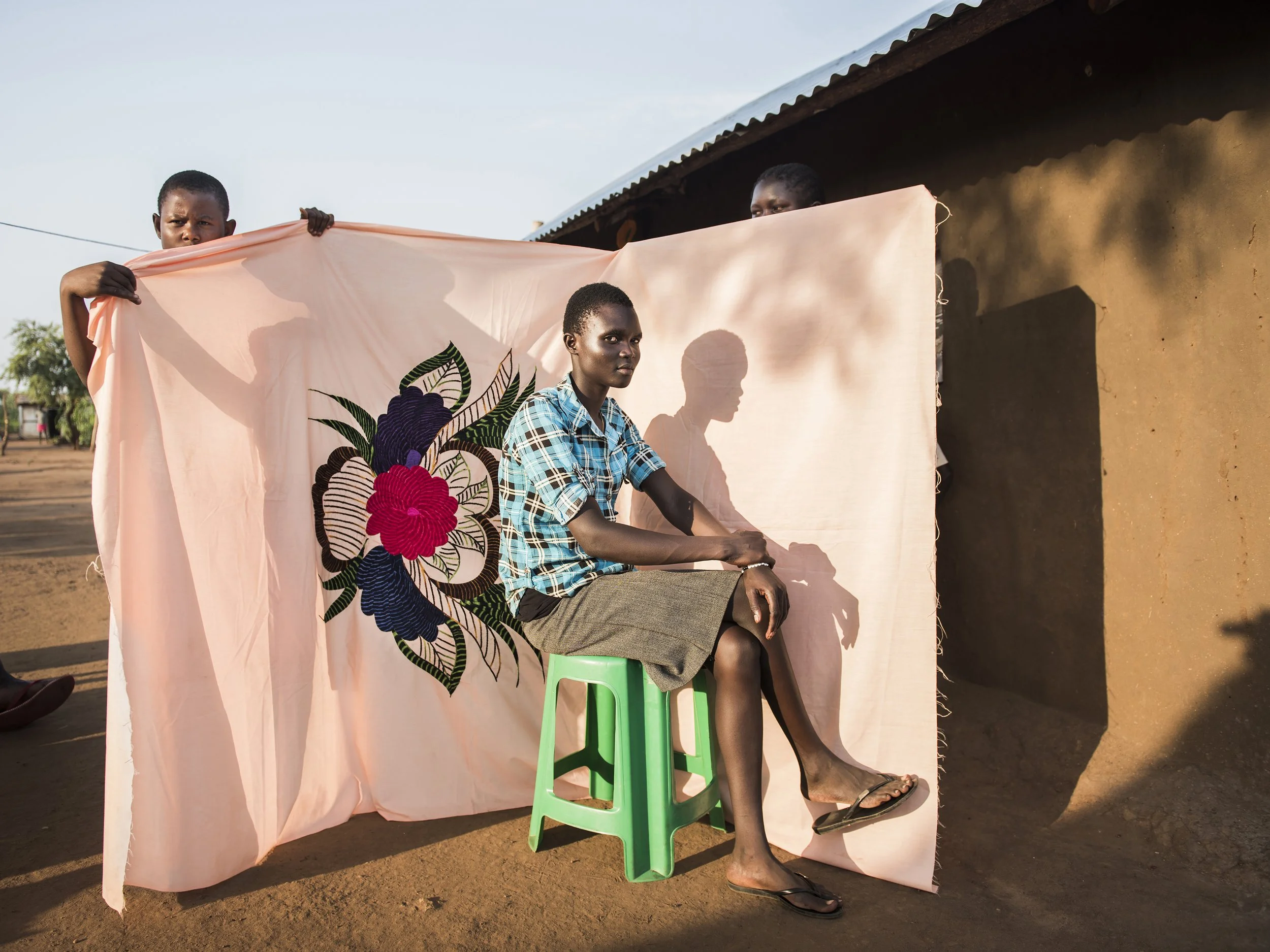
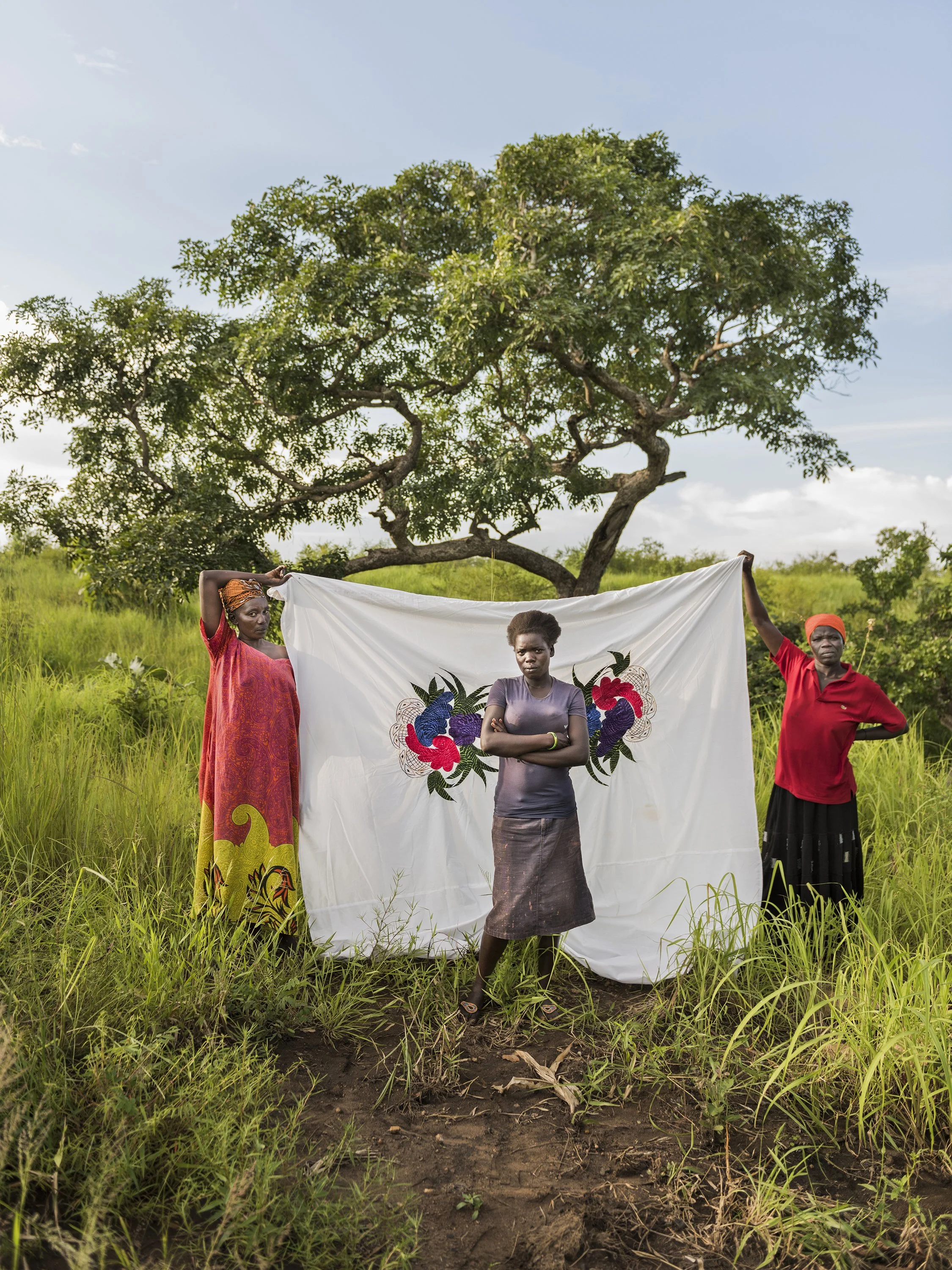
On her first day in the sprawling South Sudanese settlement of Bidibidi while on assignment for National Geographic in 2017, photographer Nora Lorek approached a woman and asked what she’d brought from home. “Nothing,” she replied, “except for some clothes wrapped in my Milaya, meaning bedsheet.” Lorek scribbled, “bedsheet???” in her notebook.
In 2011, South Sudan separated from Sudan to become the world’s newest country. But civil war has since expelled millions of civilians from their homeland. Many of them fled into Uganda and settled in Bidibidi, which soon became the world’s largest refugee settlement. Today it’s home to a quarter-million refugees.
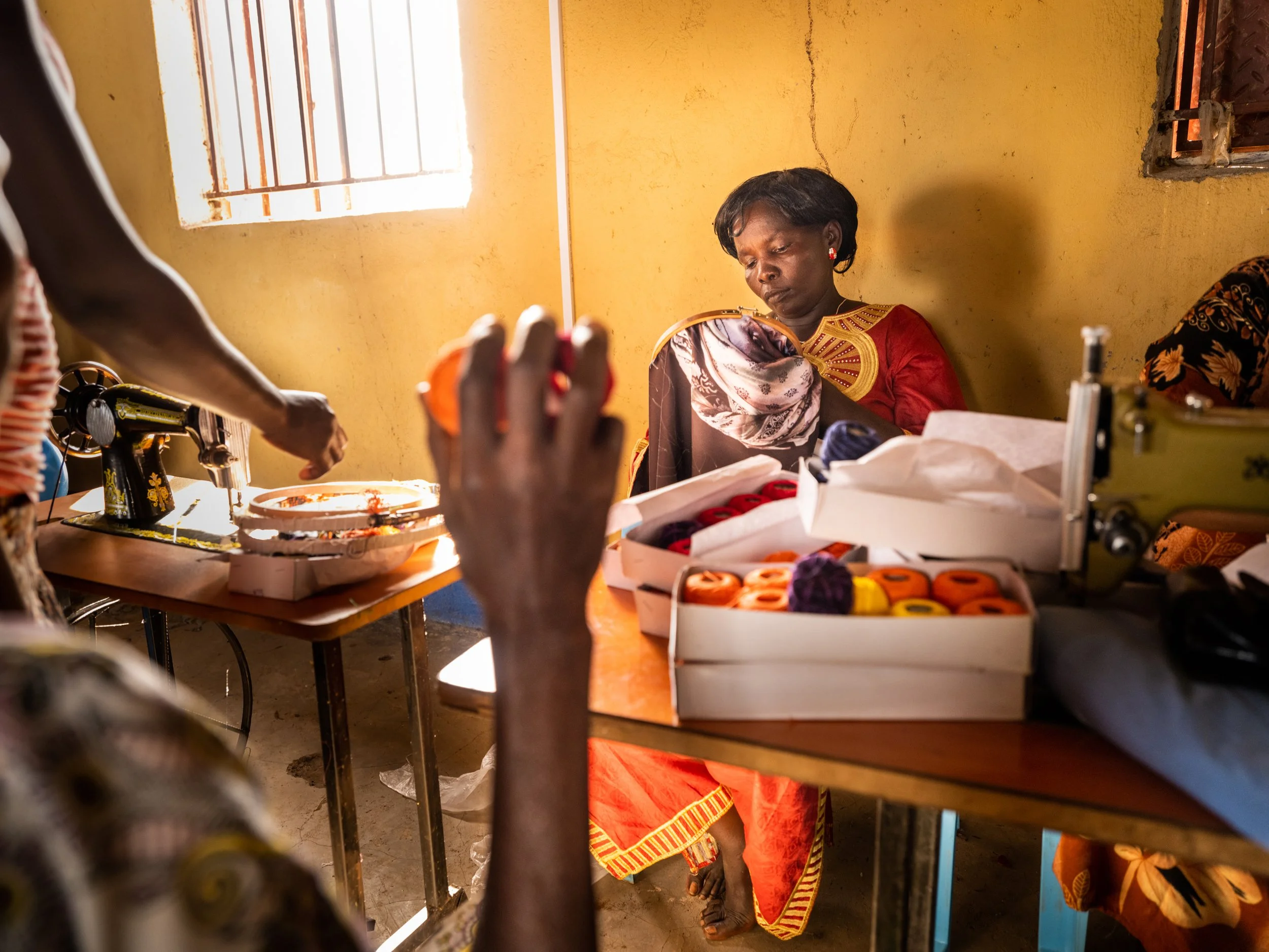
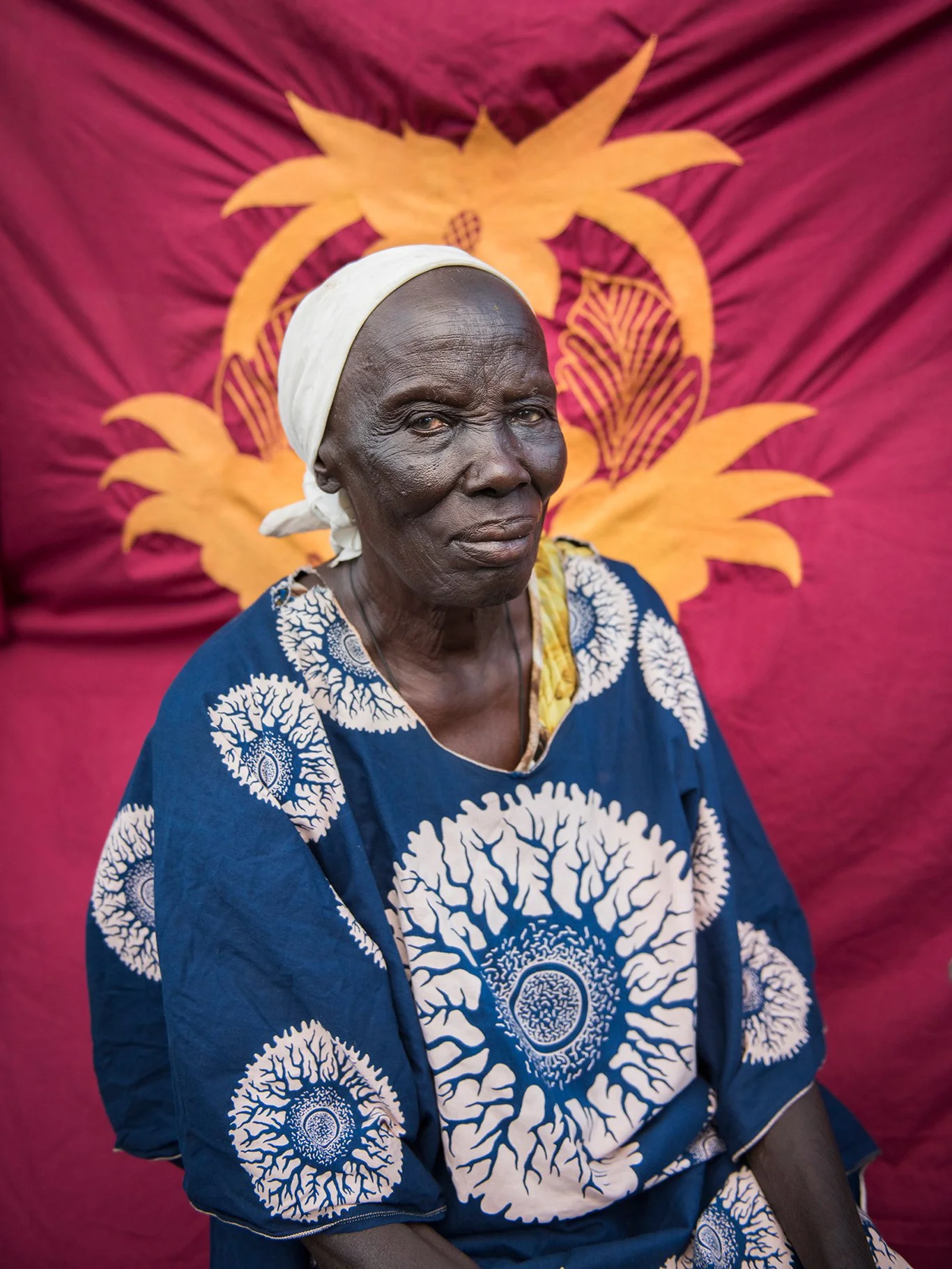
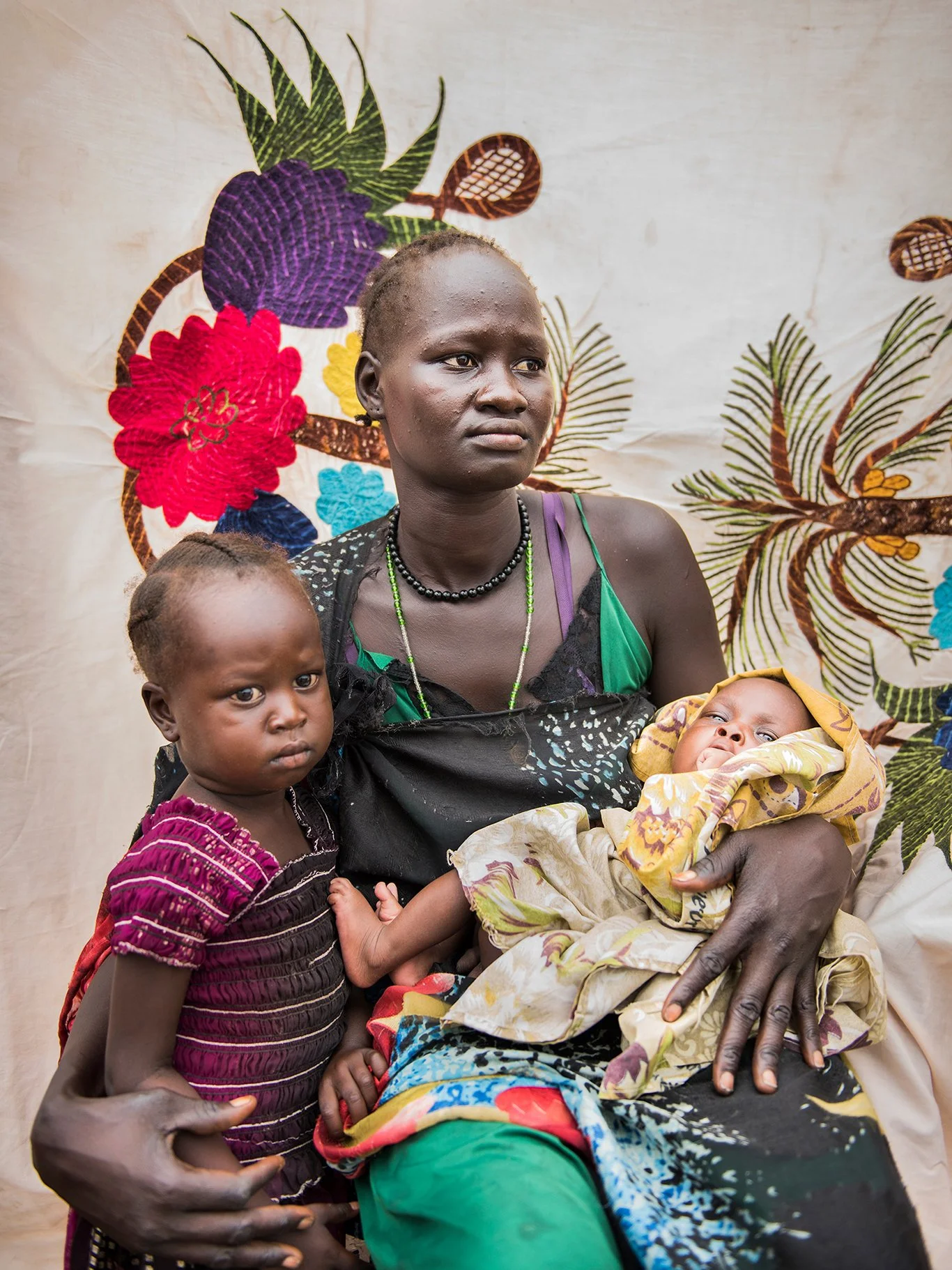
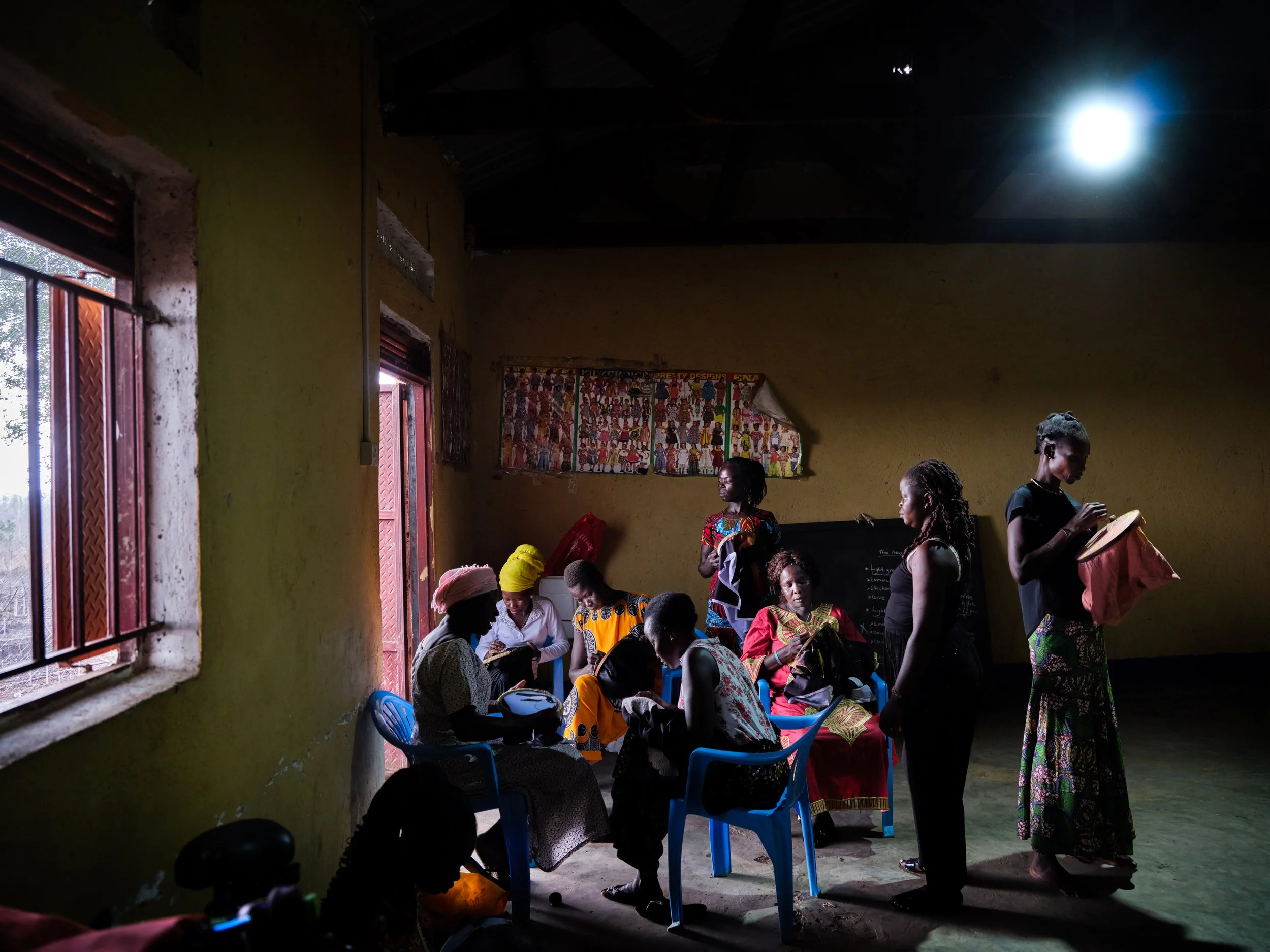
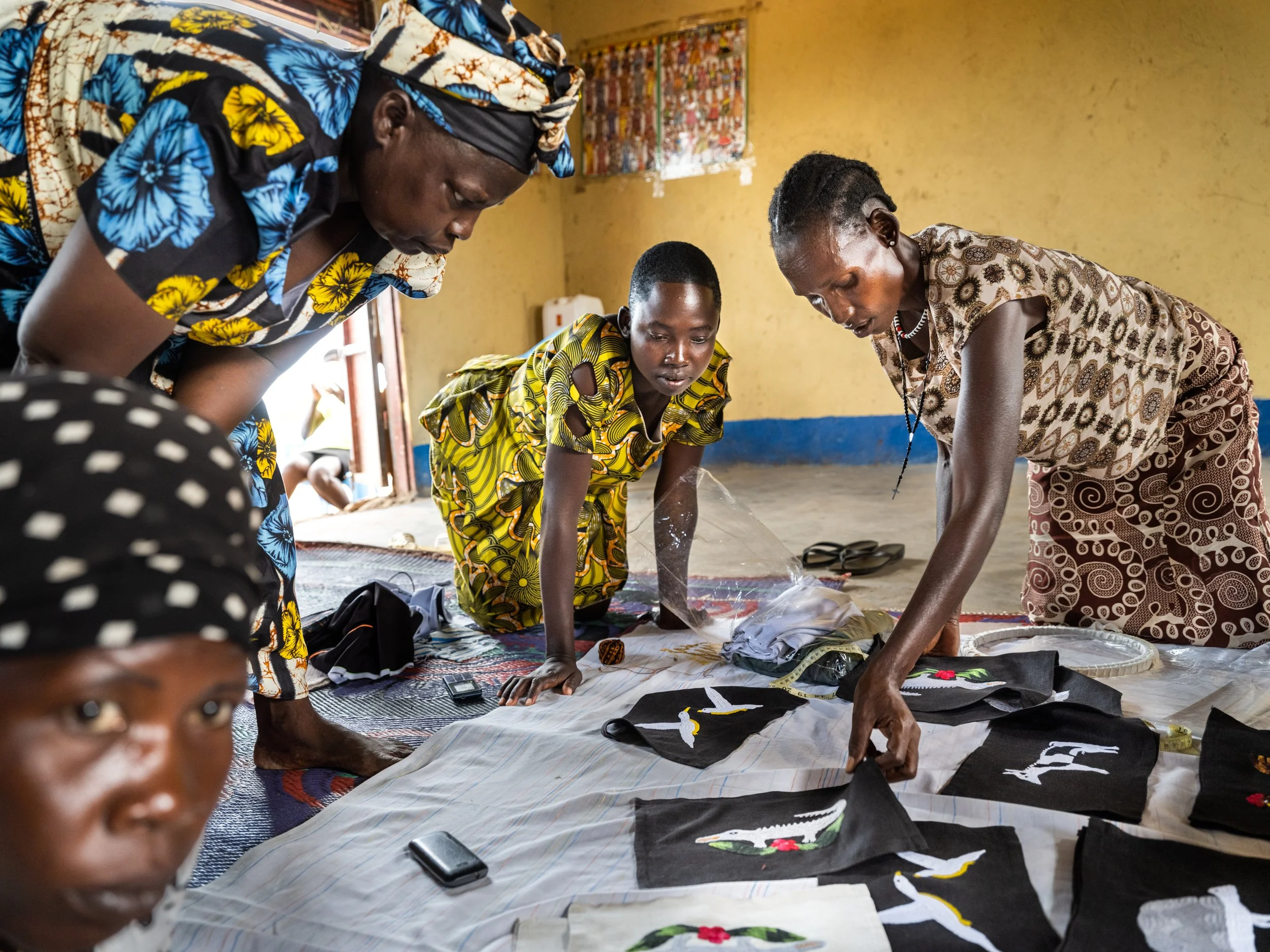
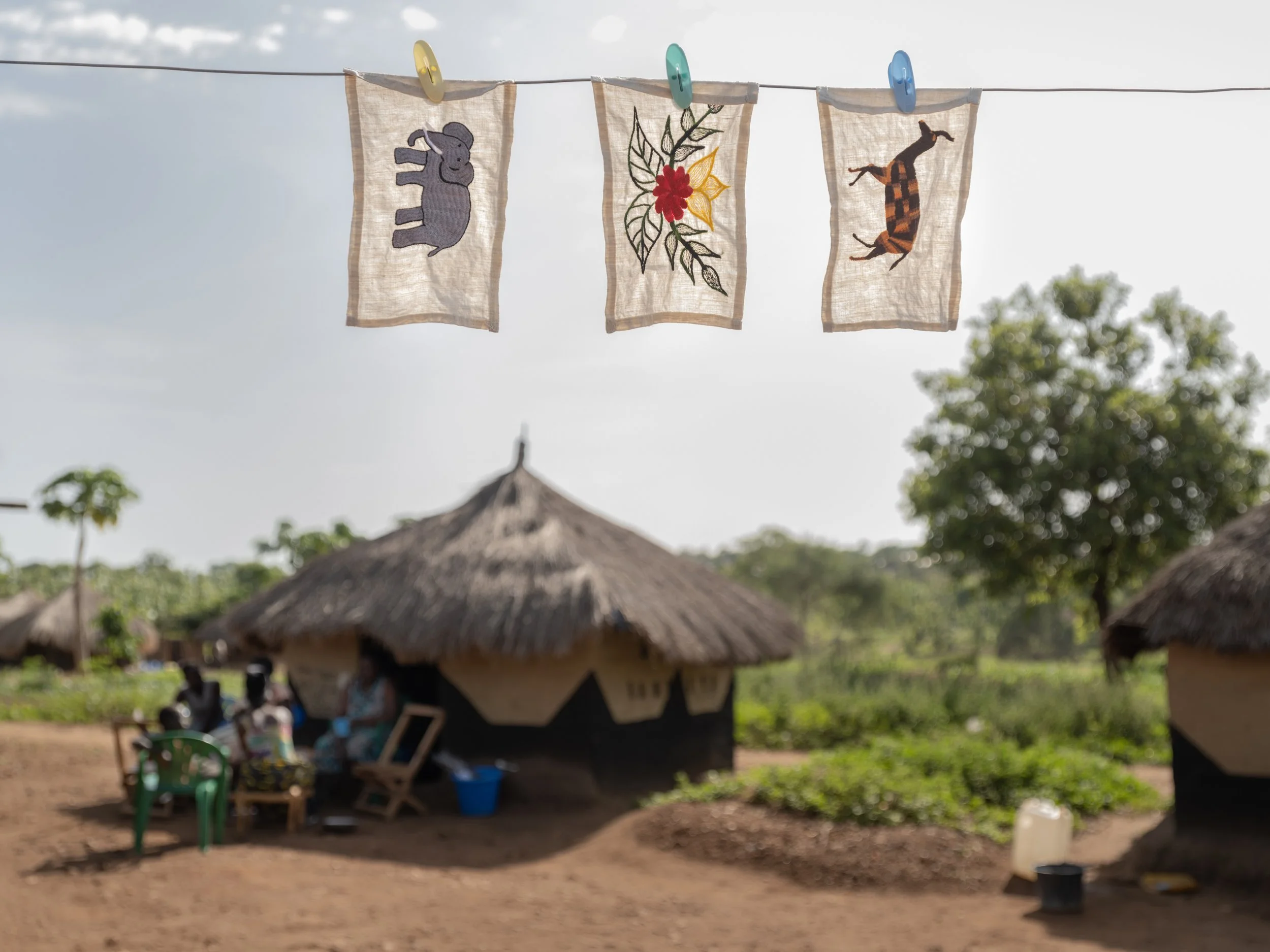
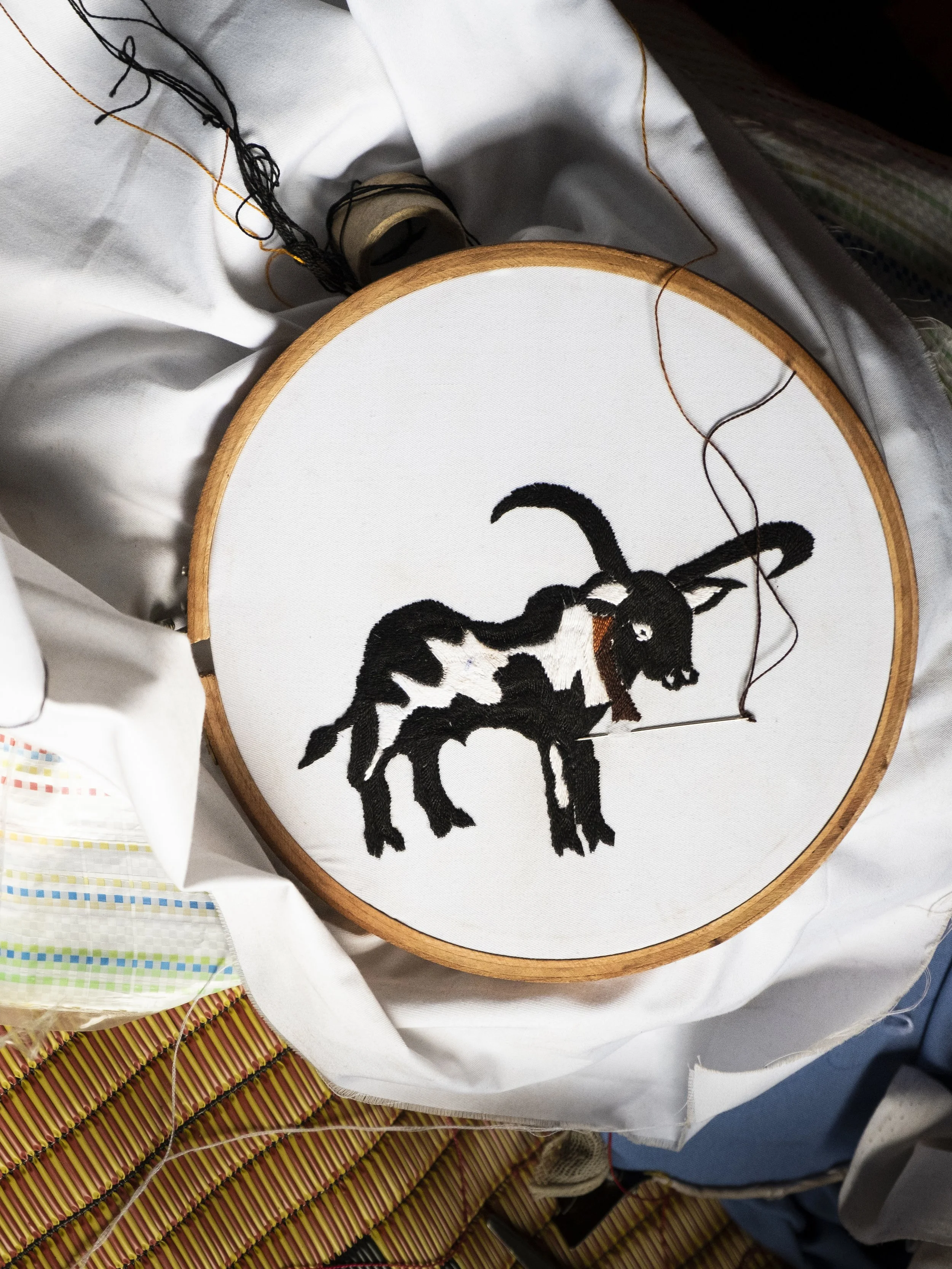
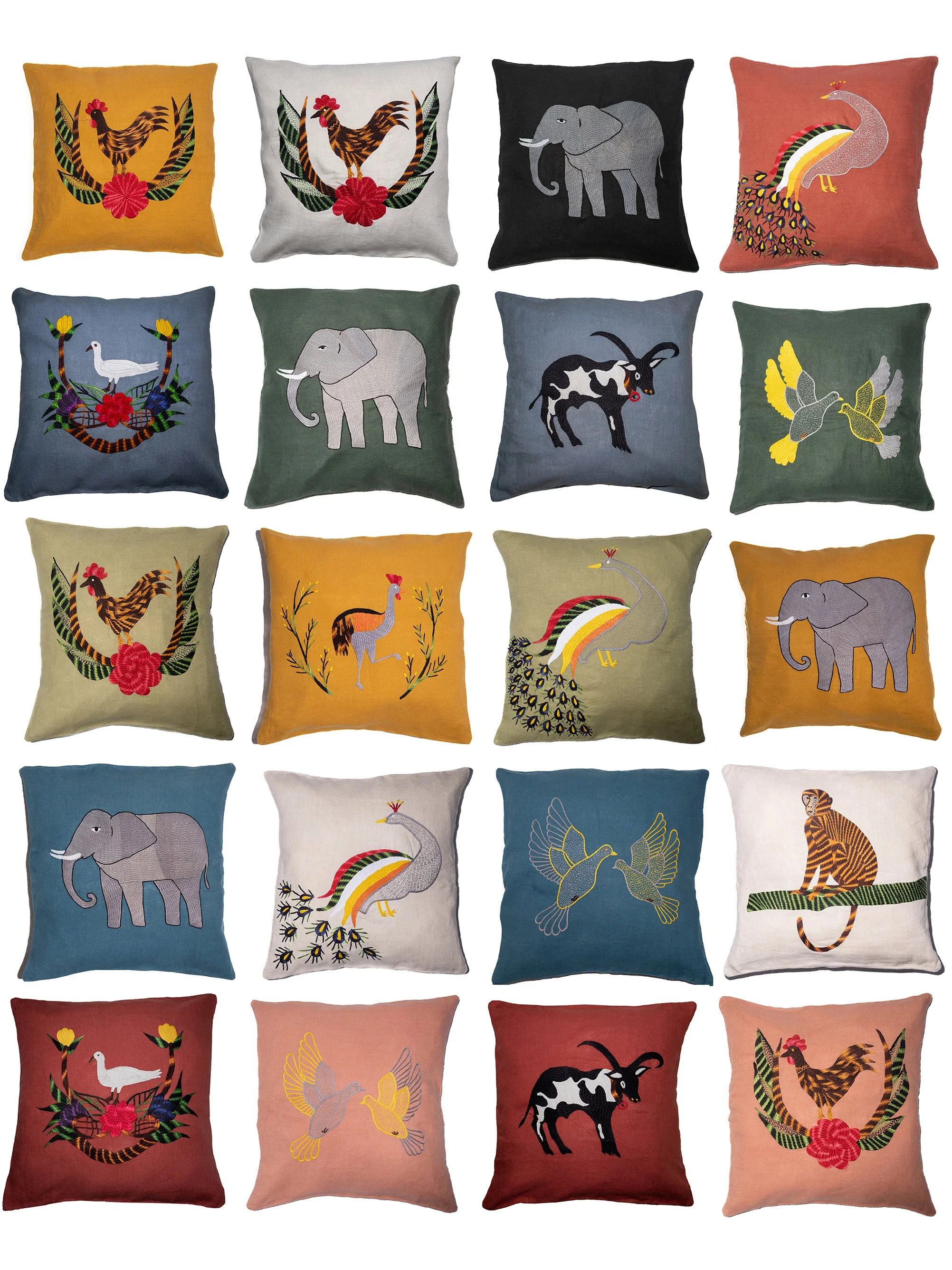
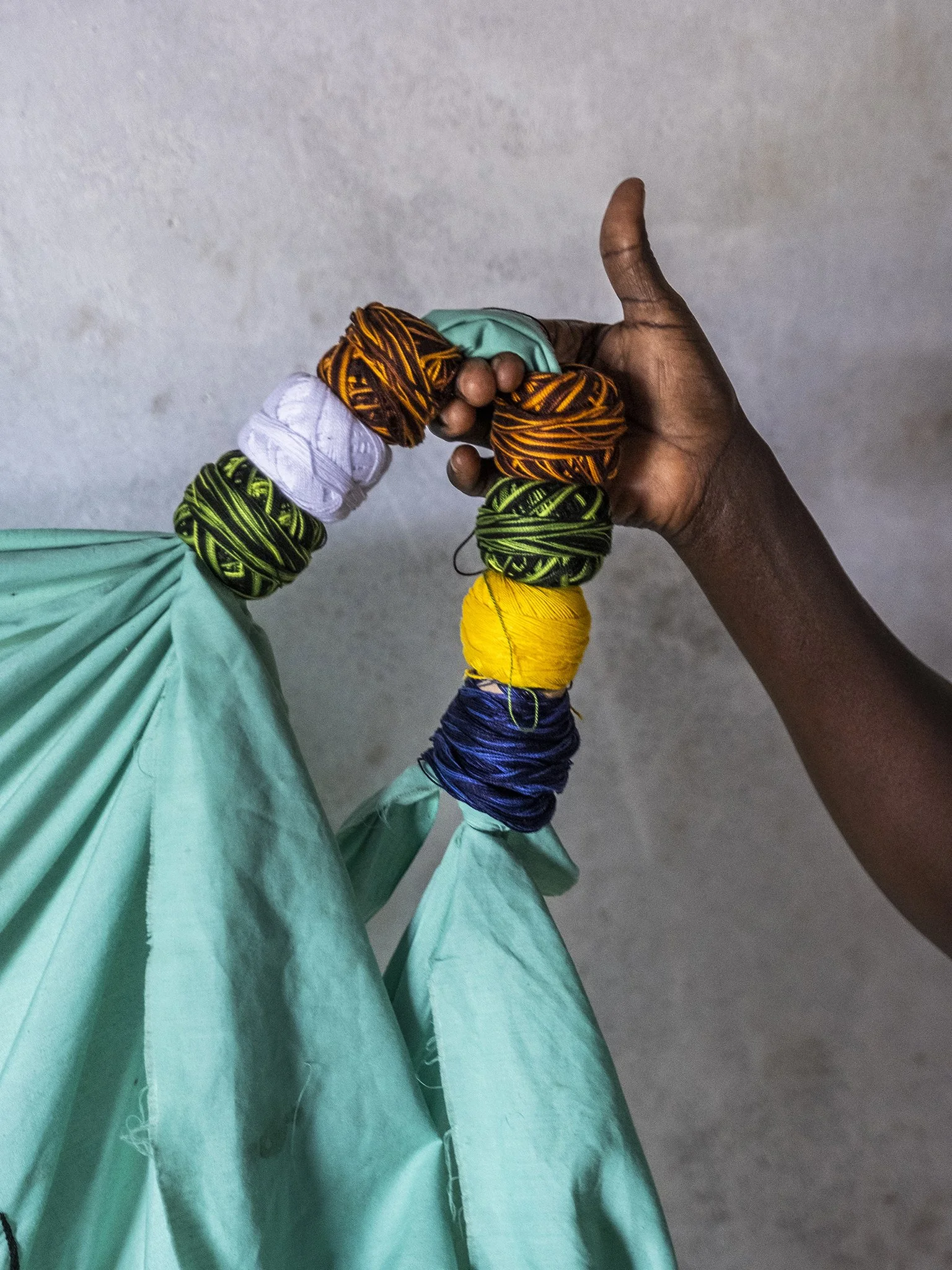
When Lorek asked about the sheets, Bidibidi’s residents pulled out their milayas: cloths sewn with ornate birds, flowers, and designs. The women had learned to make them from their mothers and grandmothers. In South Sudan, the sheets covered beds, hung on walls, and were often included in dowries. Now, for many refugees, the milayas are the only thing left from home—and a means to make a meager living.
Full story from 2017 in National Geographic. Text by Nina Strochlic.
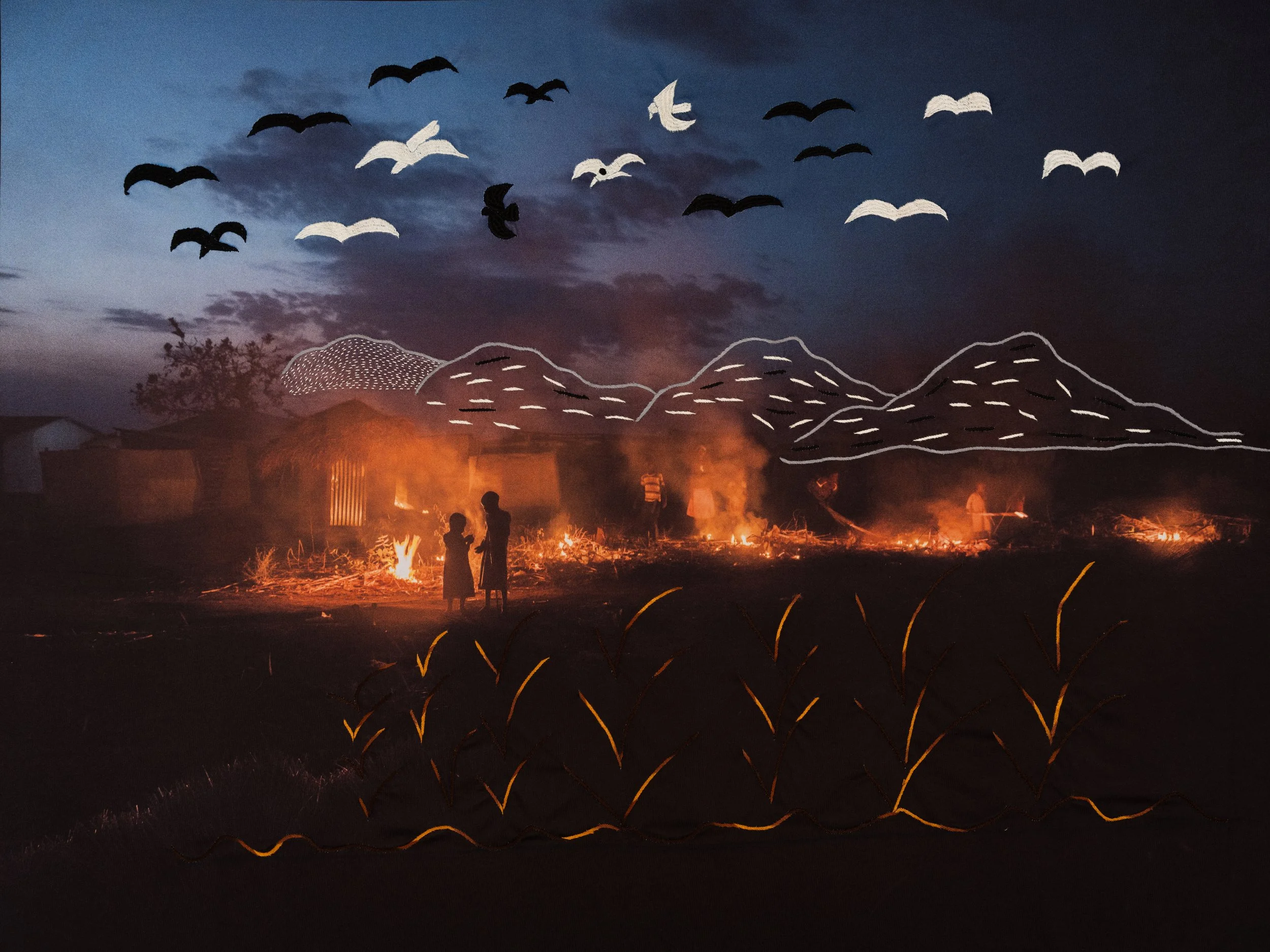
After the story was published we founded The Milaya Project, a non-profit connecting South Sudanese refugees with customers who want to support the traditional art form. Here hundreds of pillows have been made and prints made on fabric have returned to Uganda, to be embroidered for exhibitions. All profits back to the women: helping the women’s collectives scale-up their businesses in Bidibidi and provide for their families.
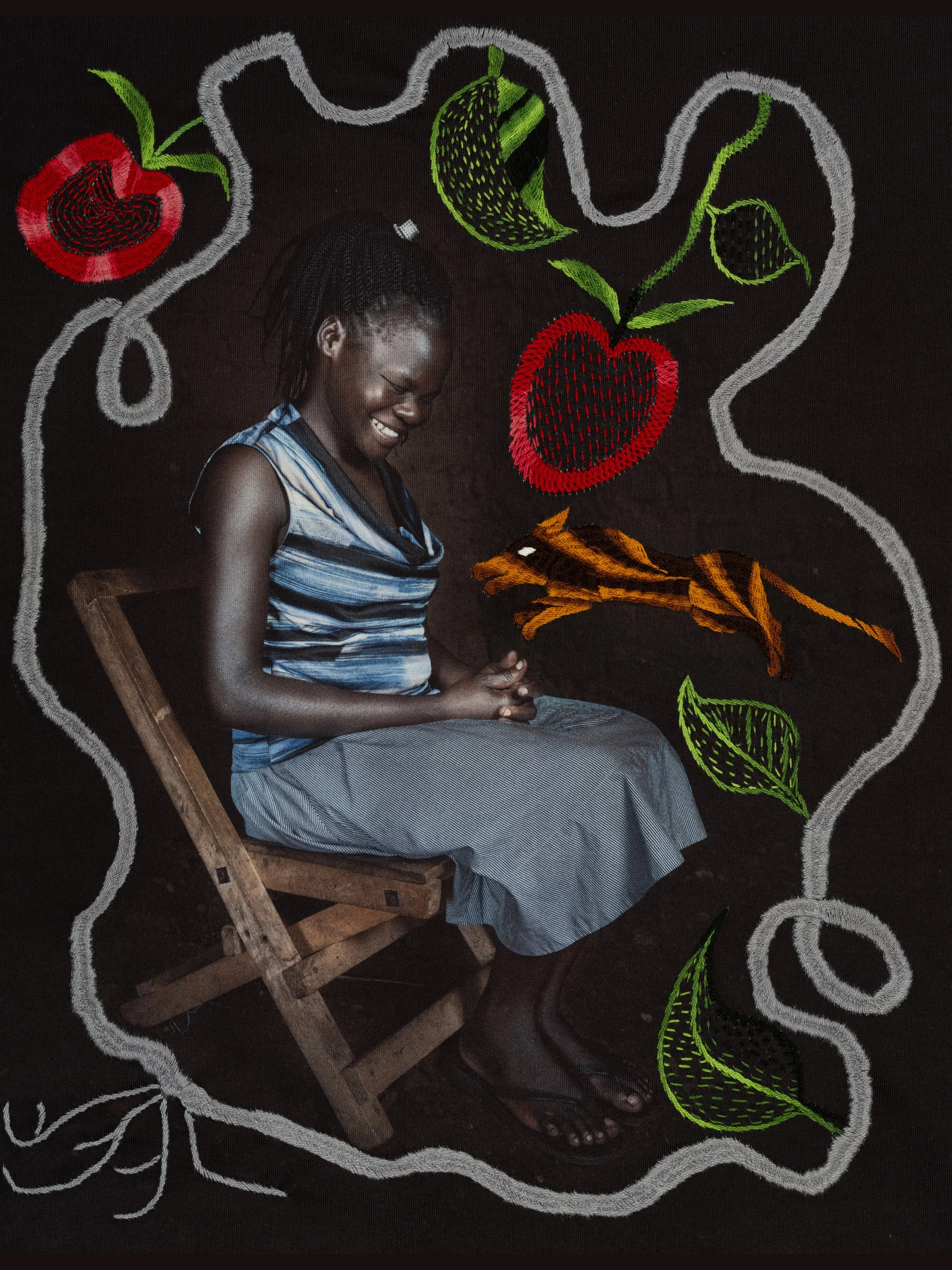
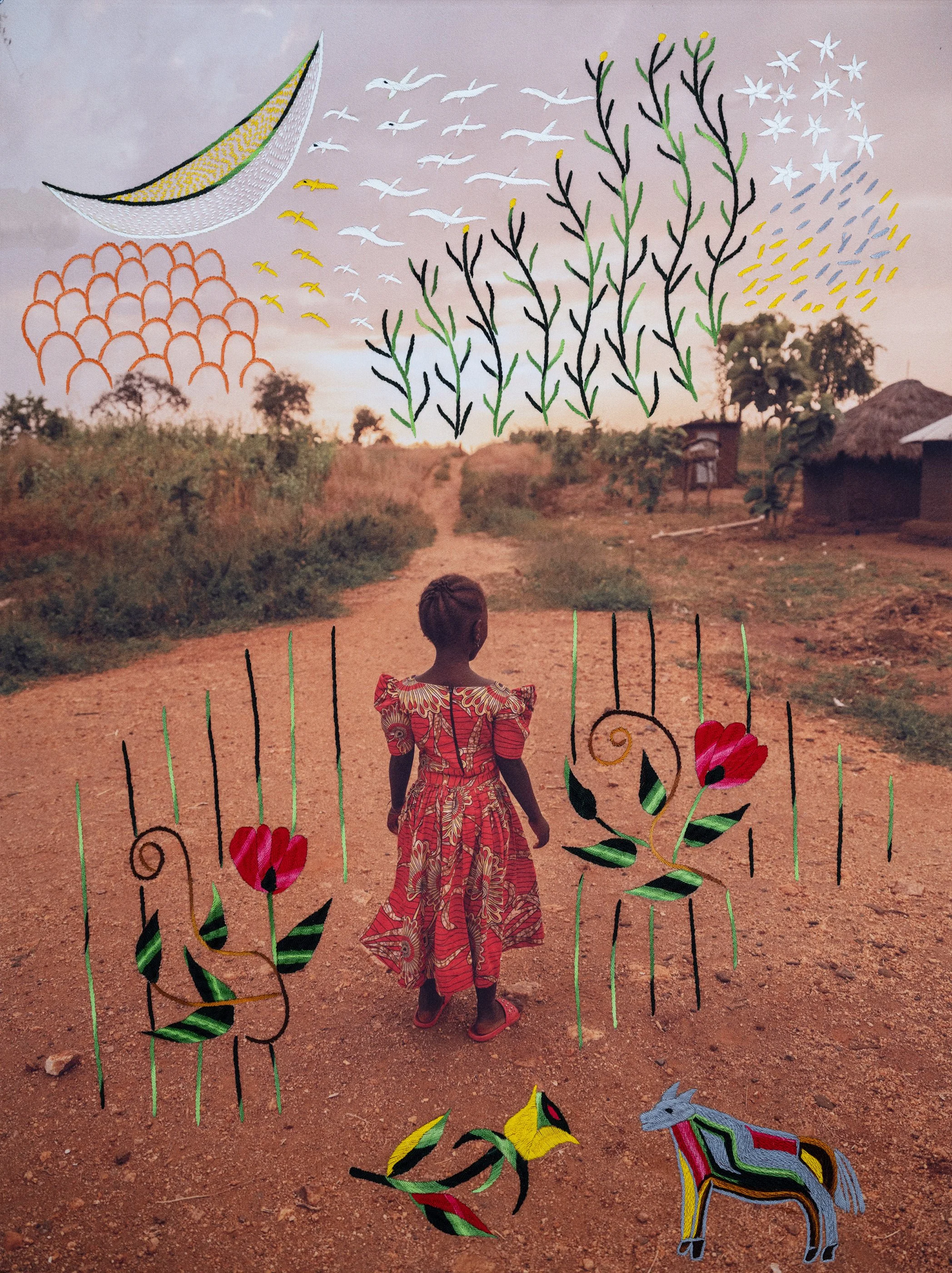
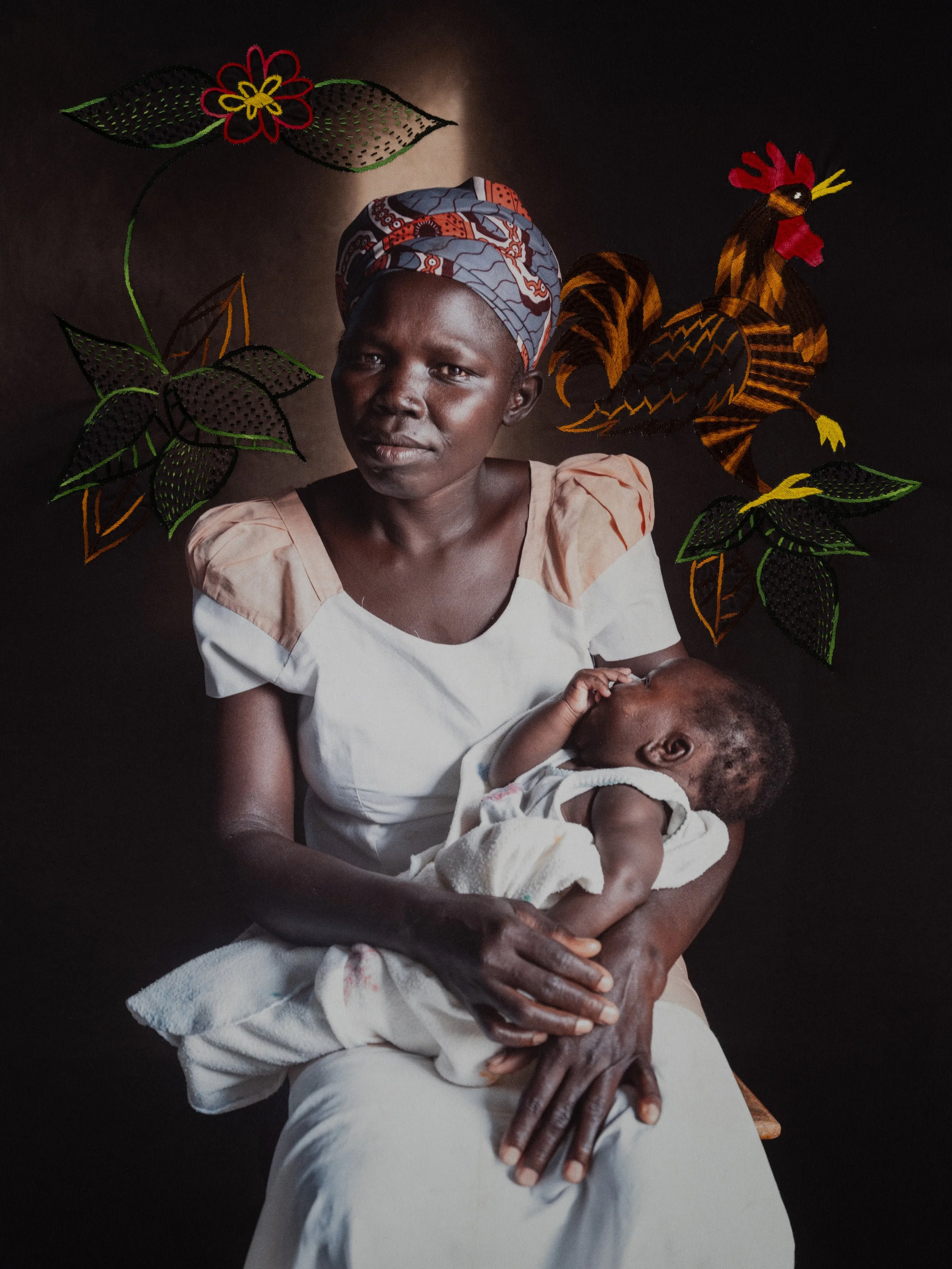
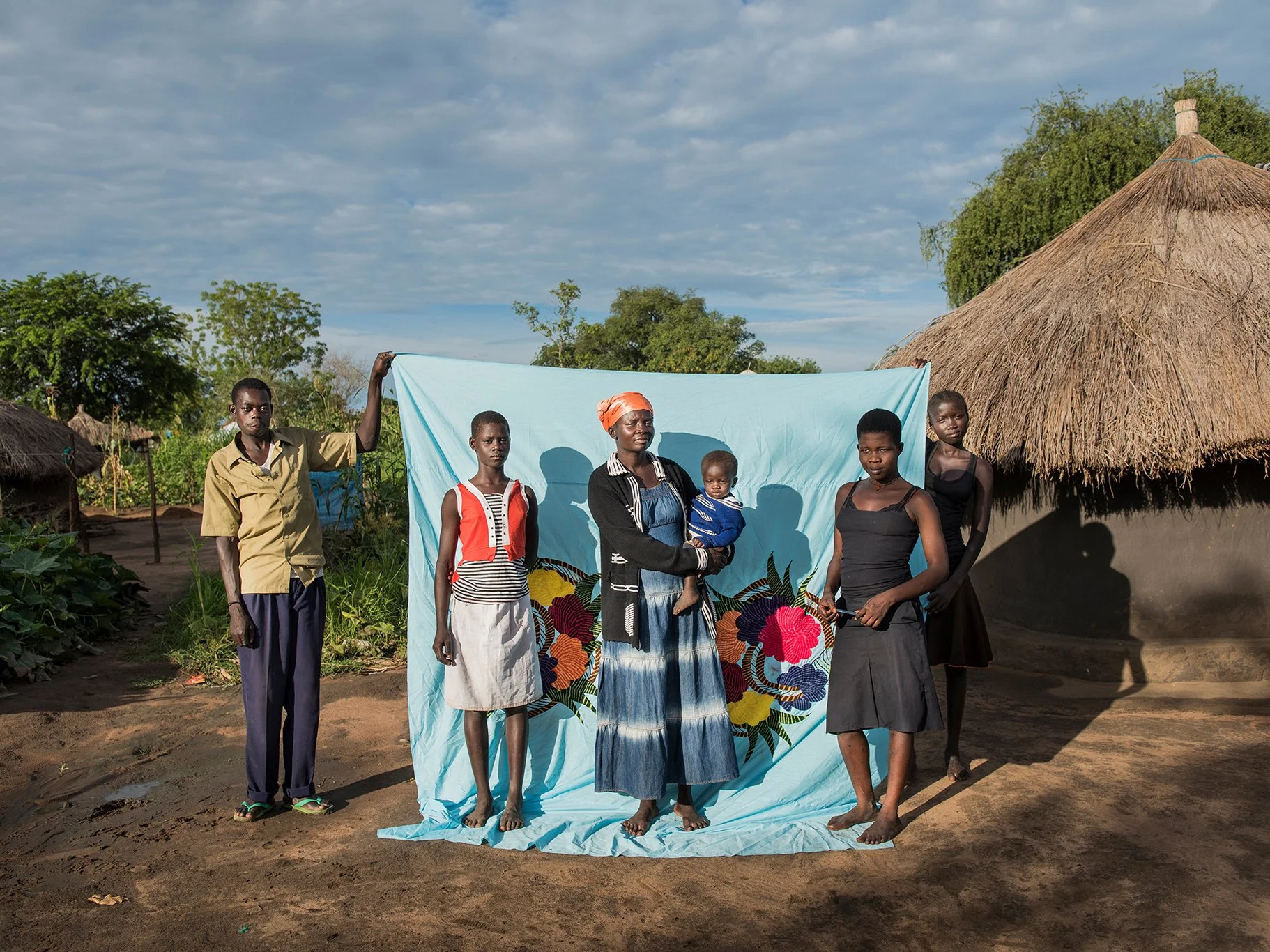
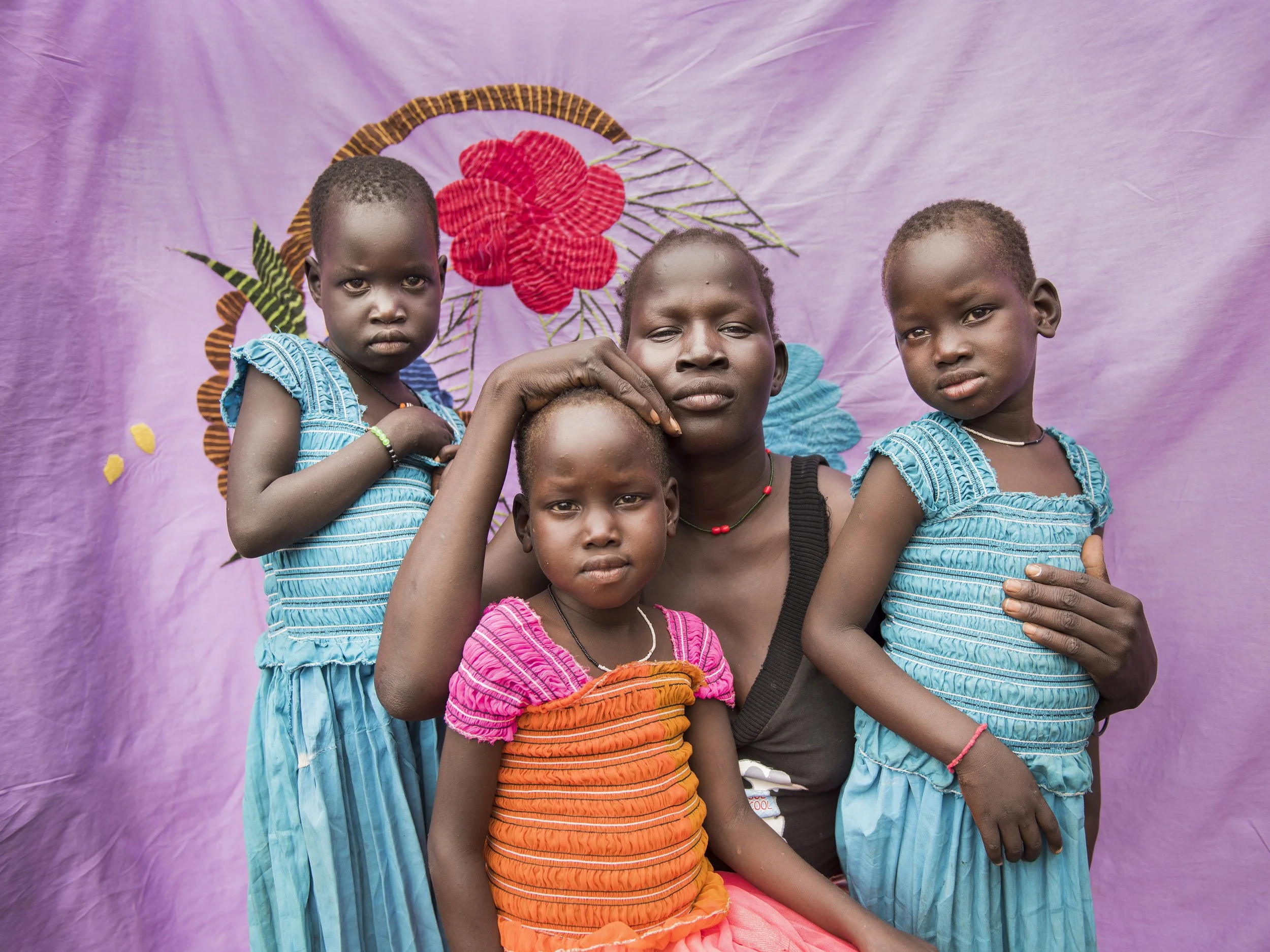
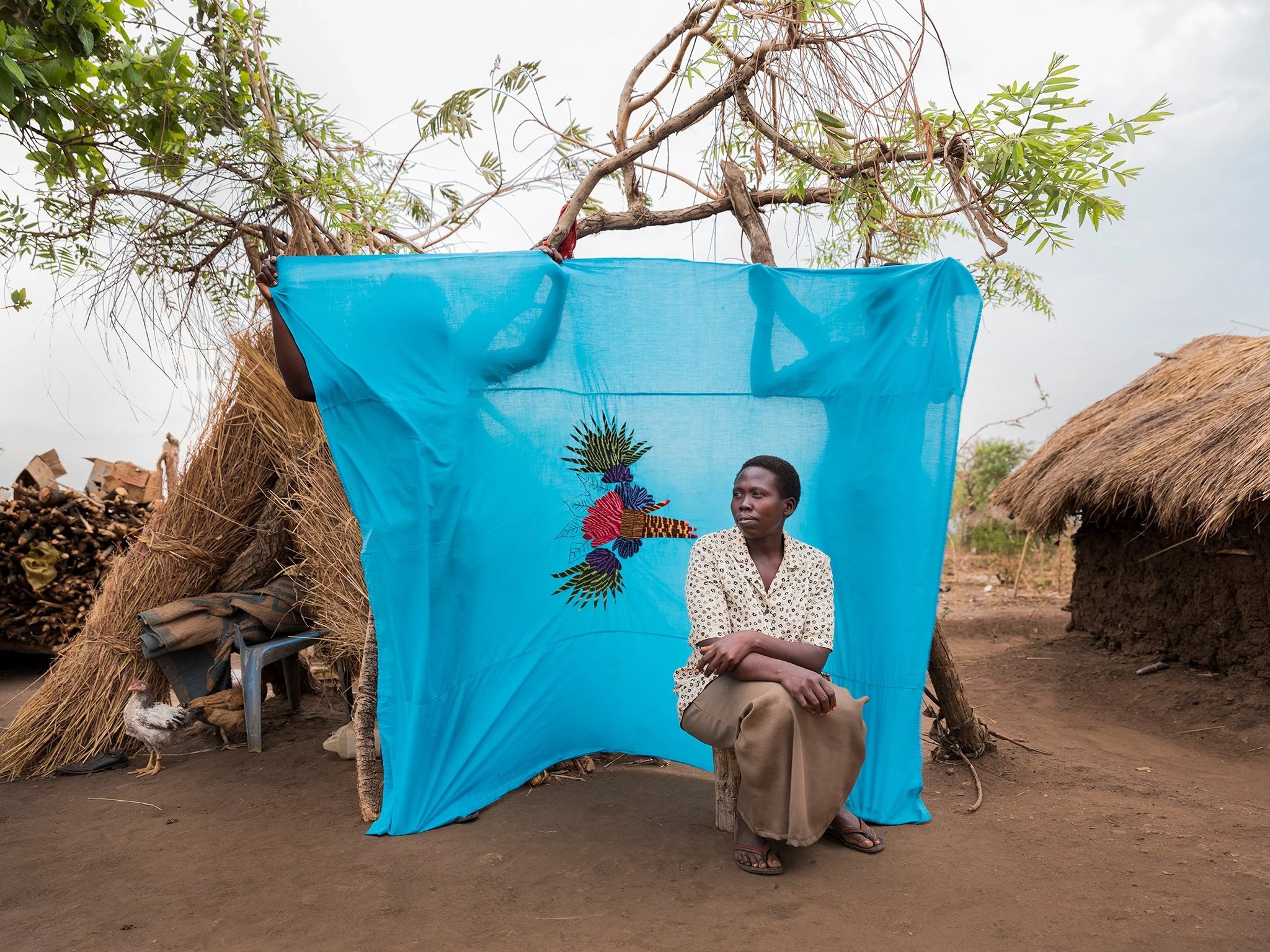
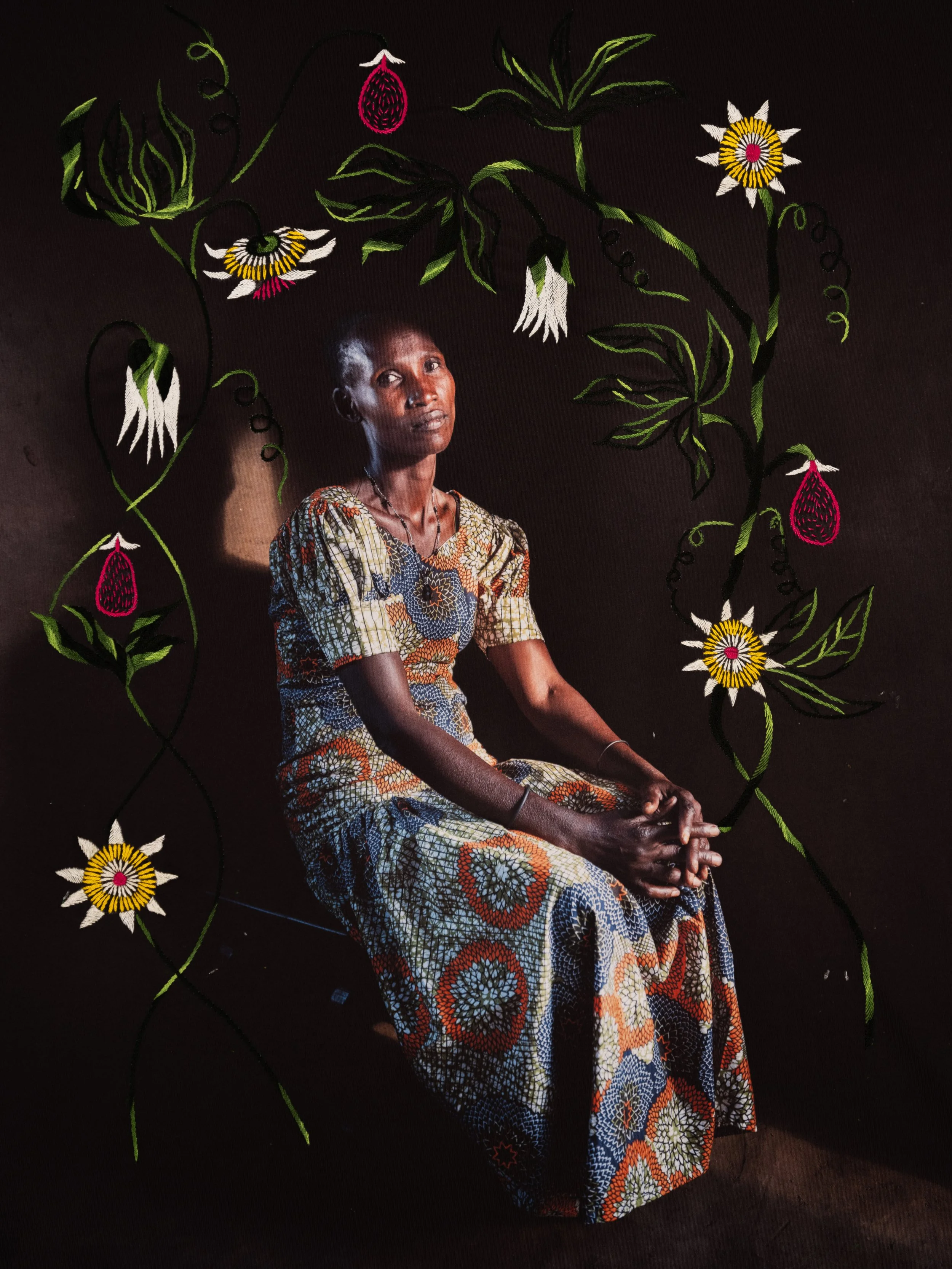
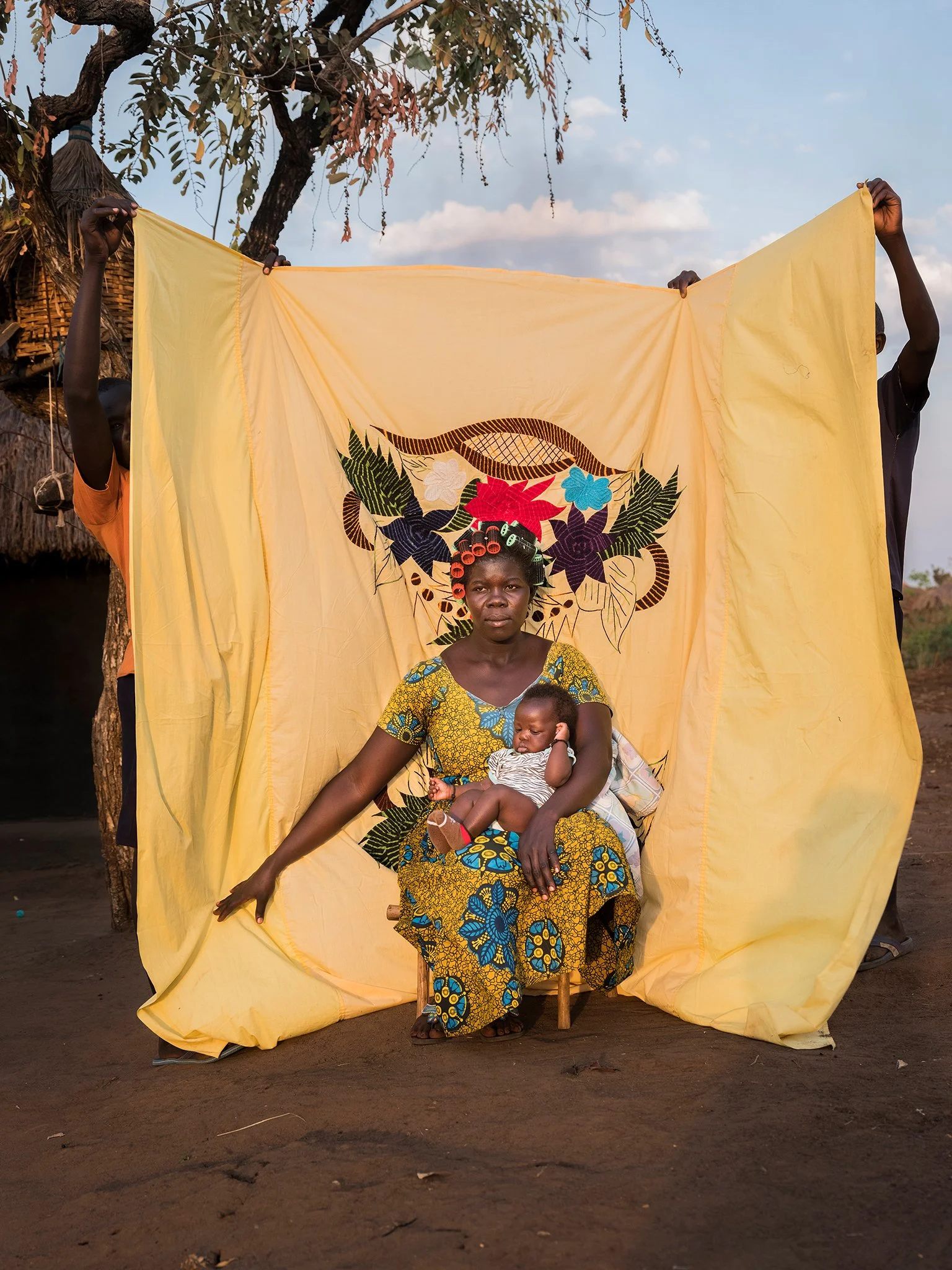
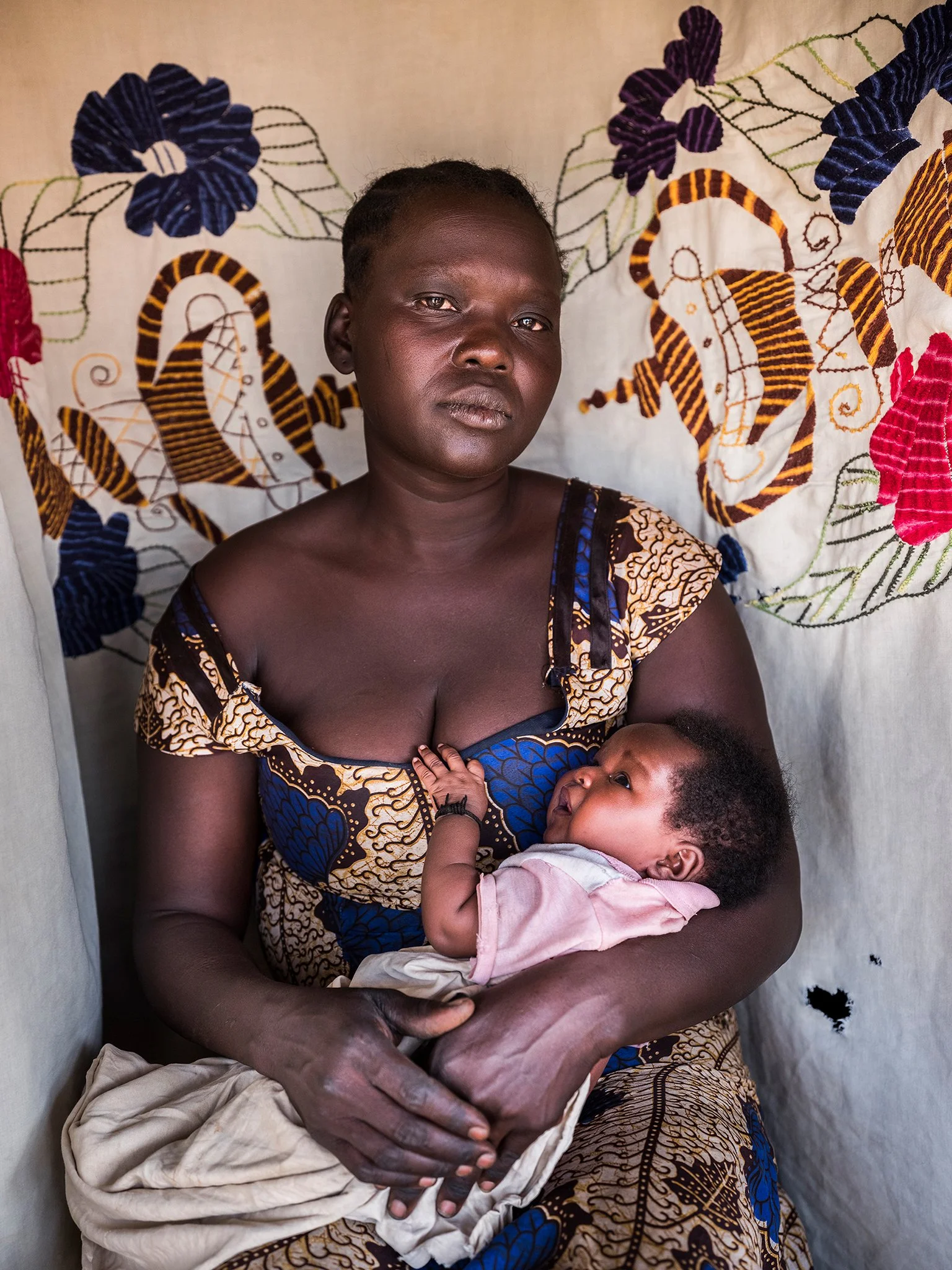
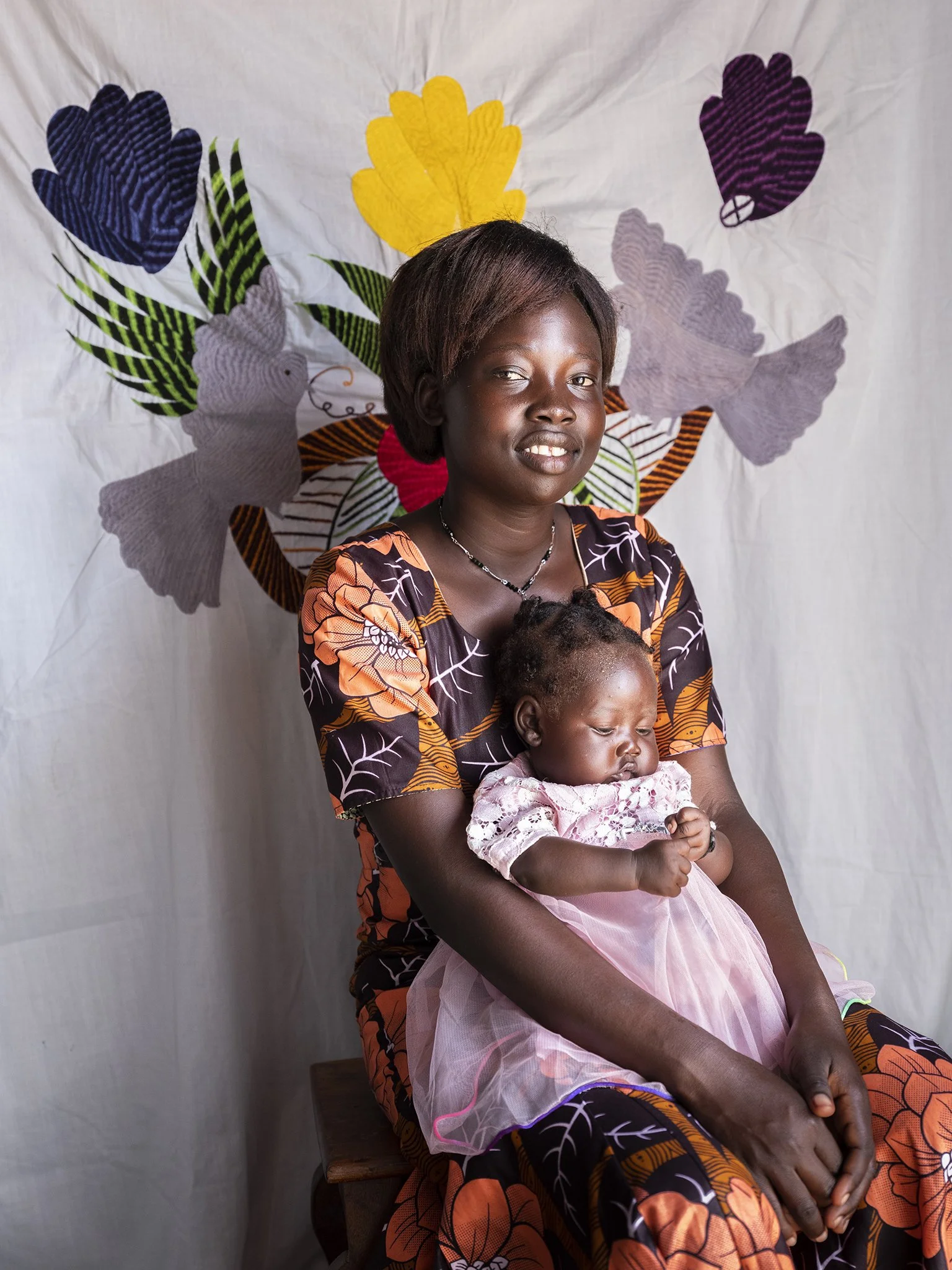
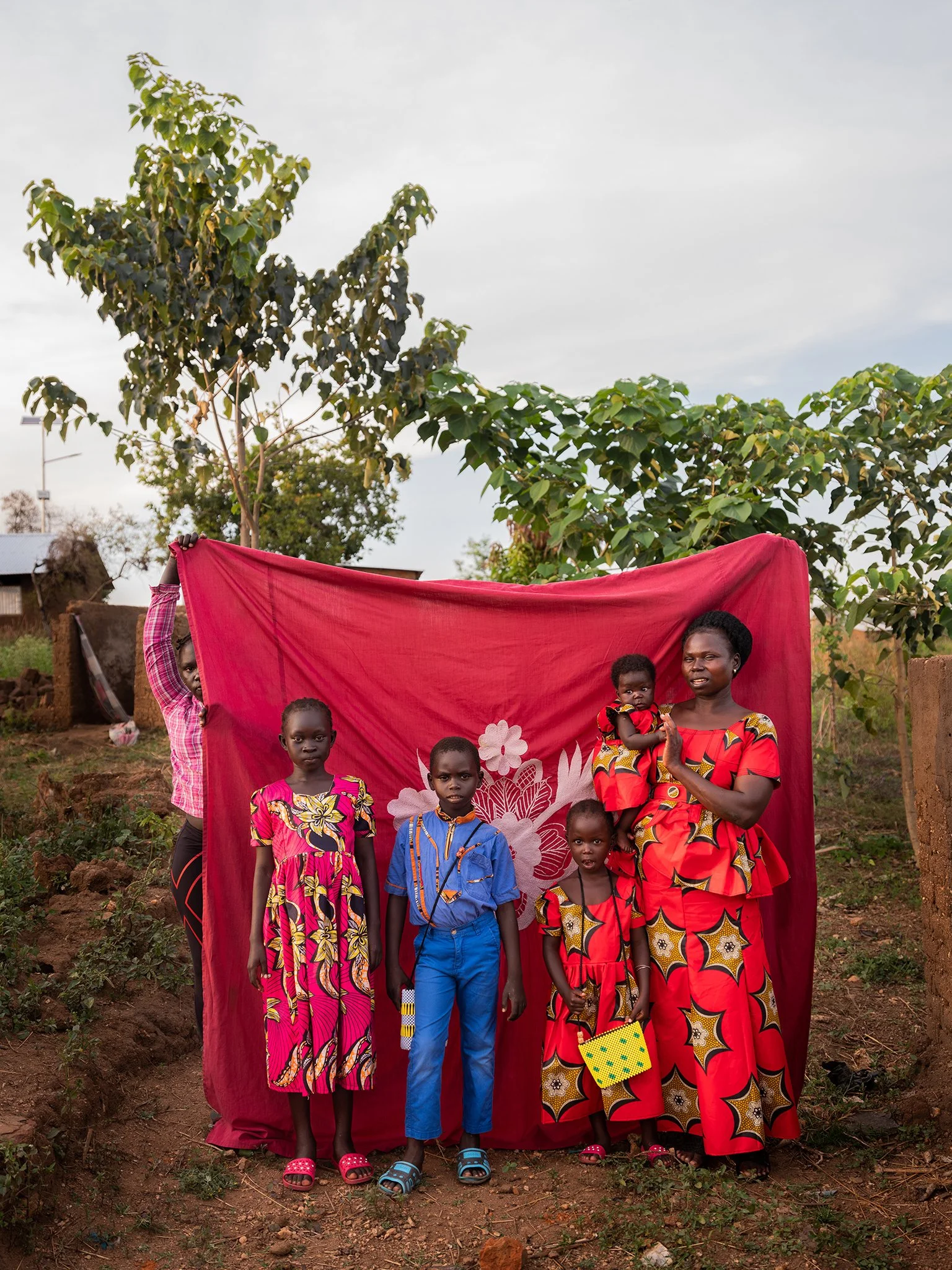
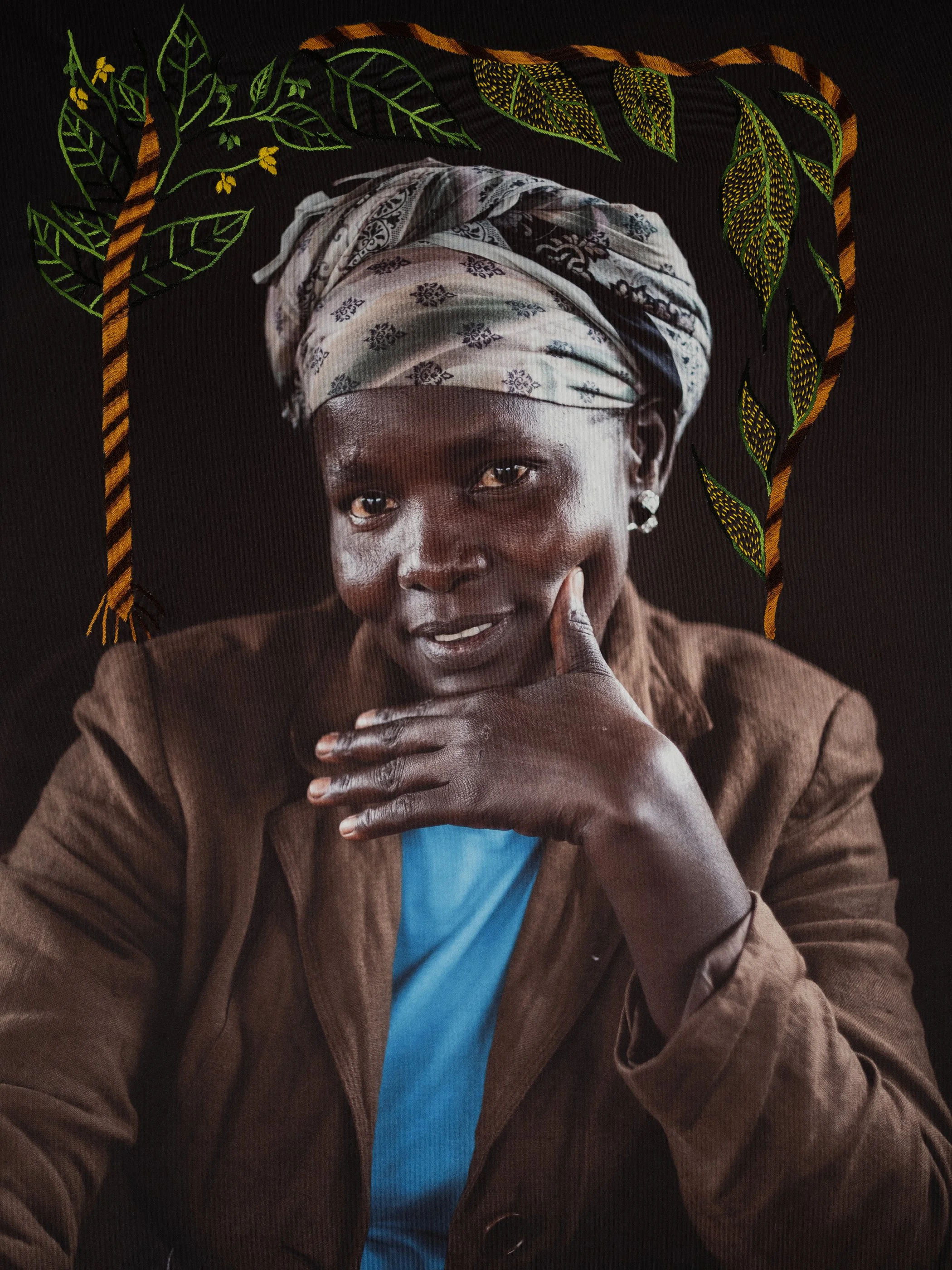
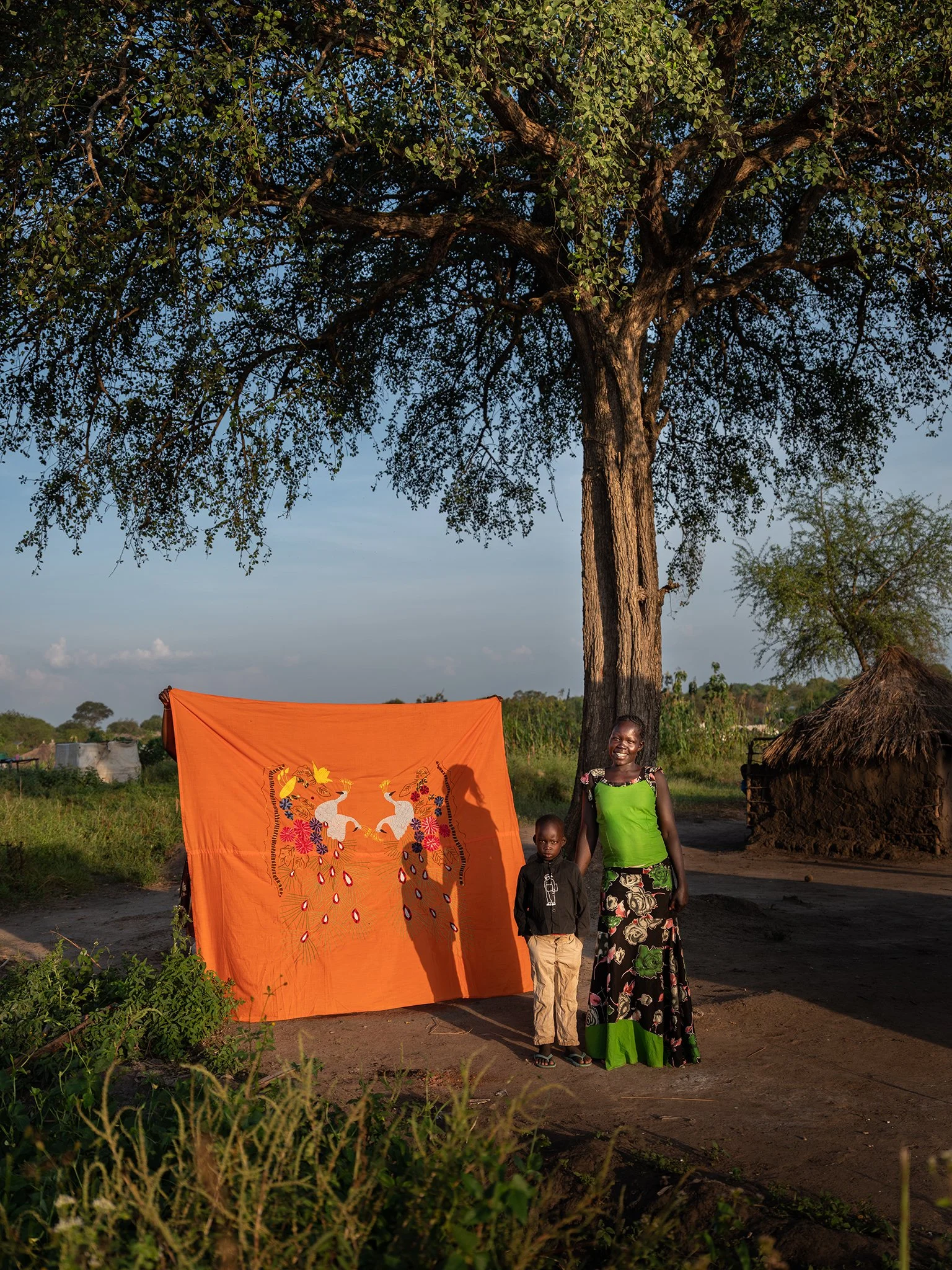
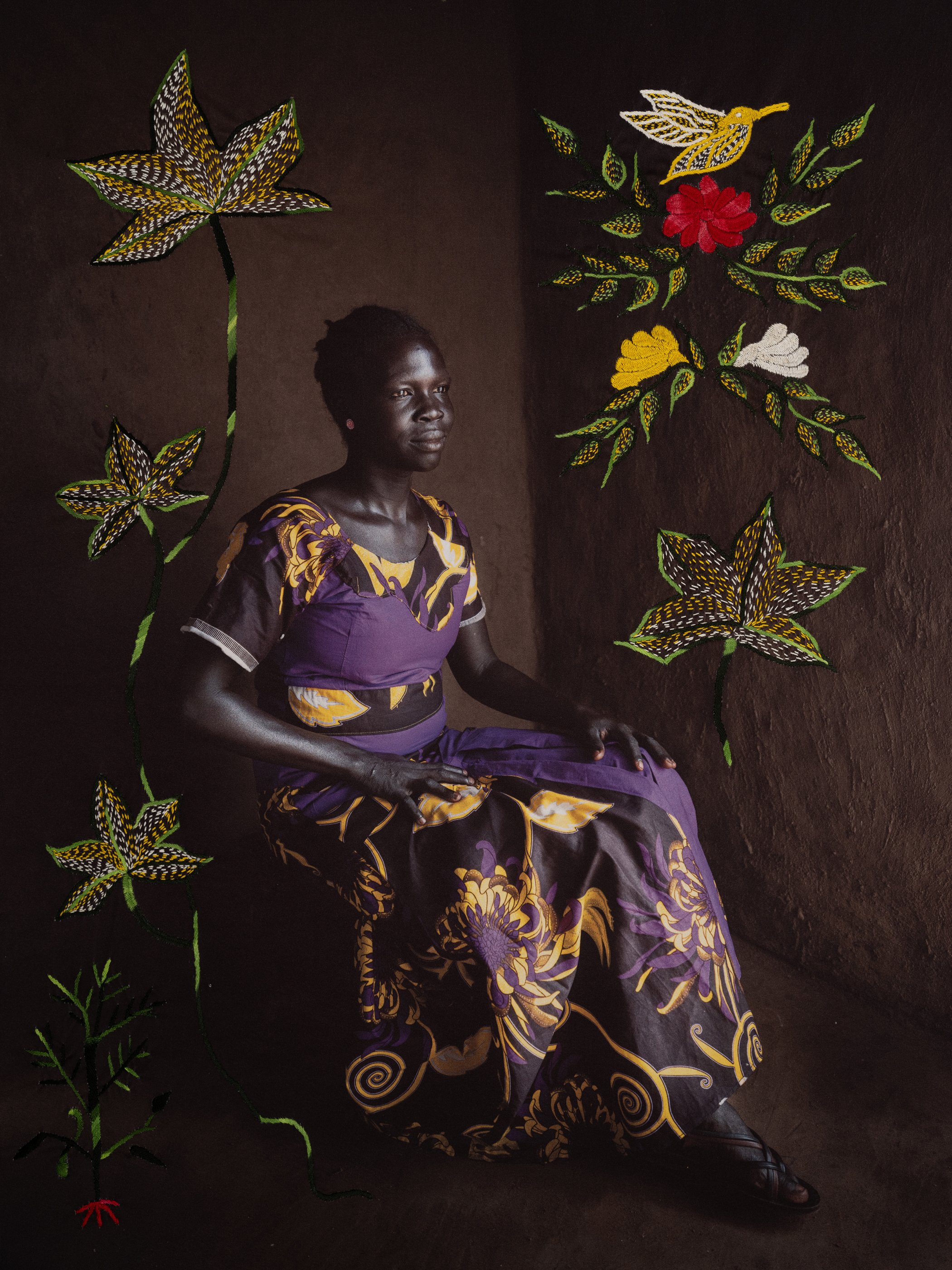
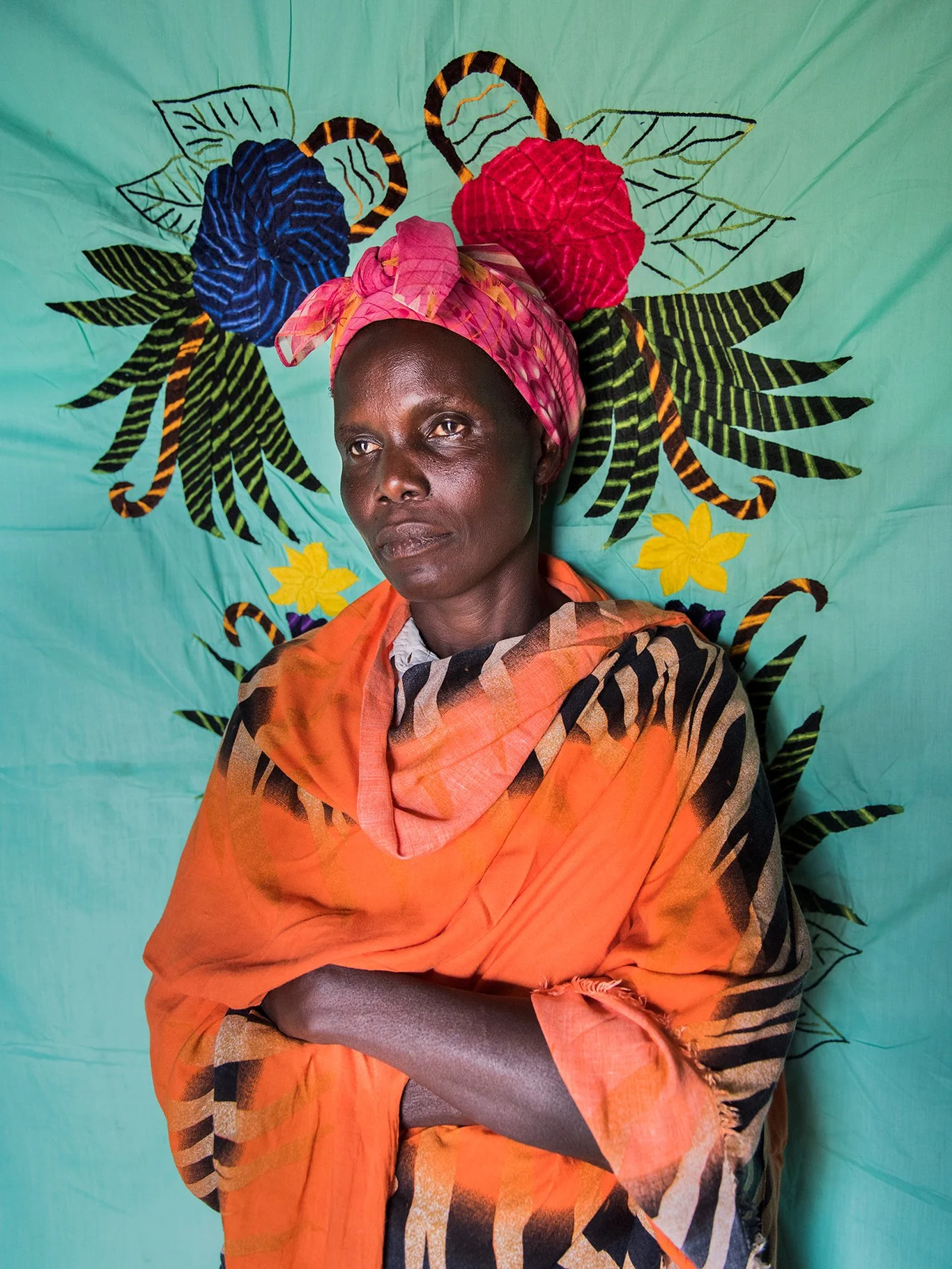
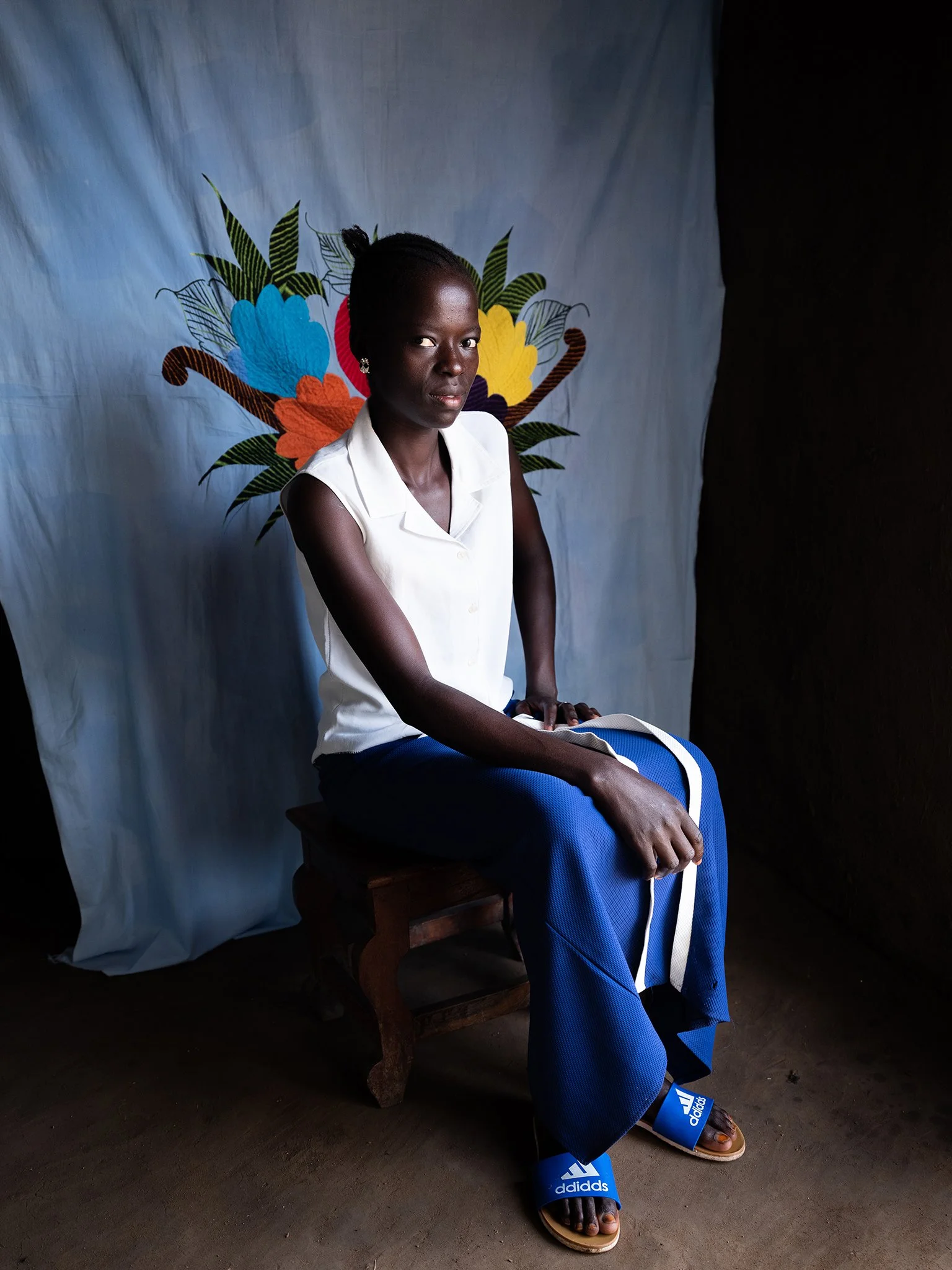
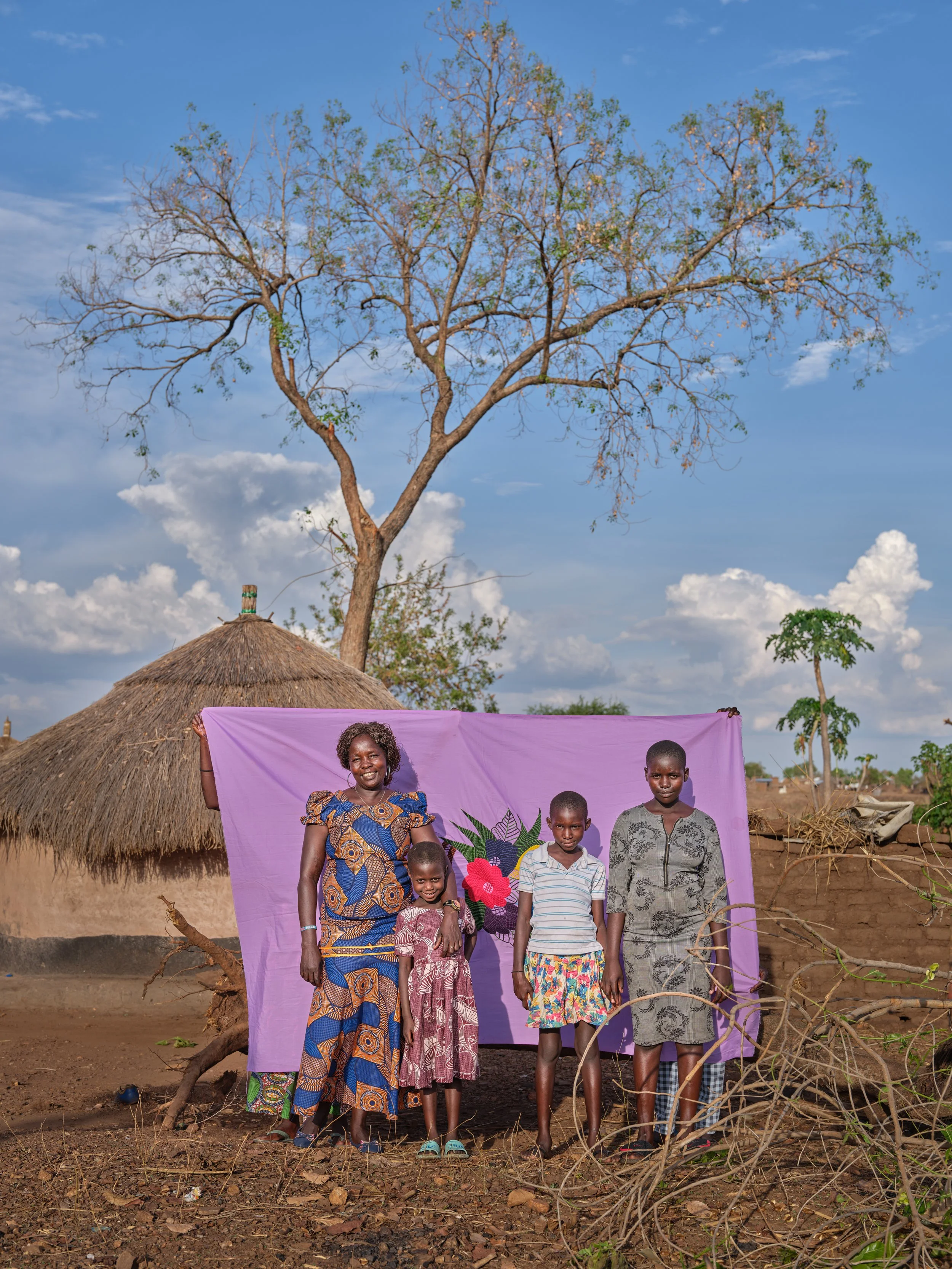
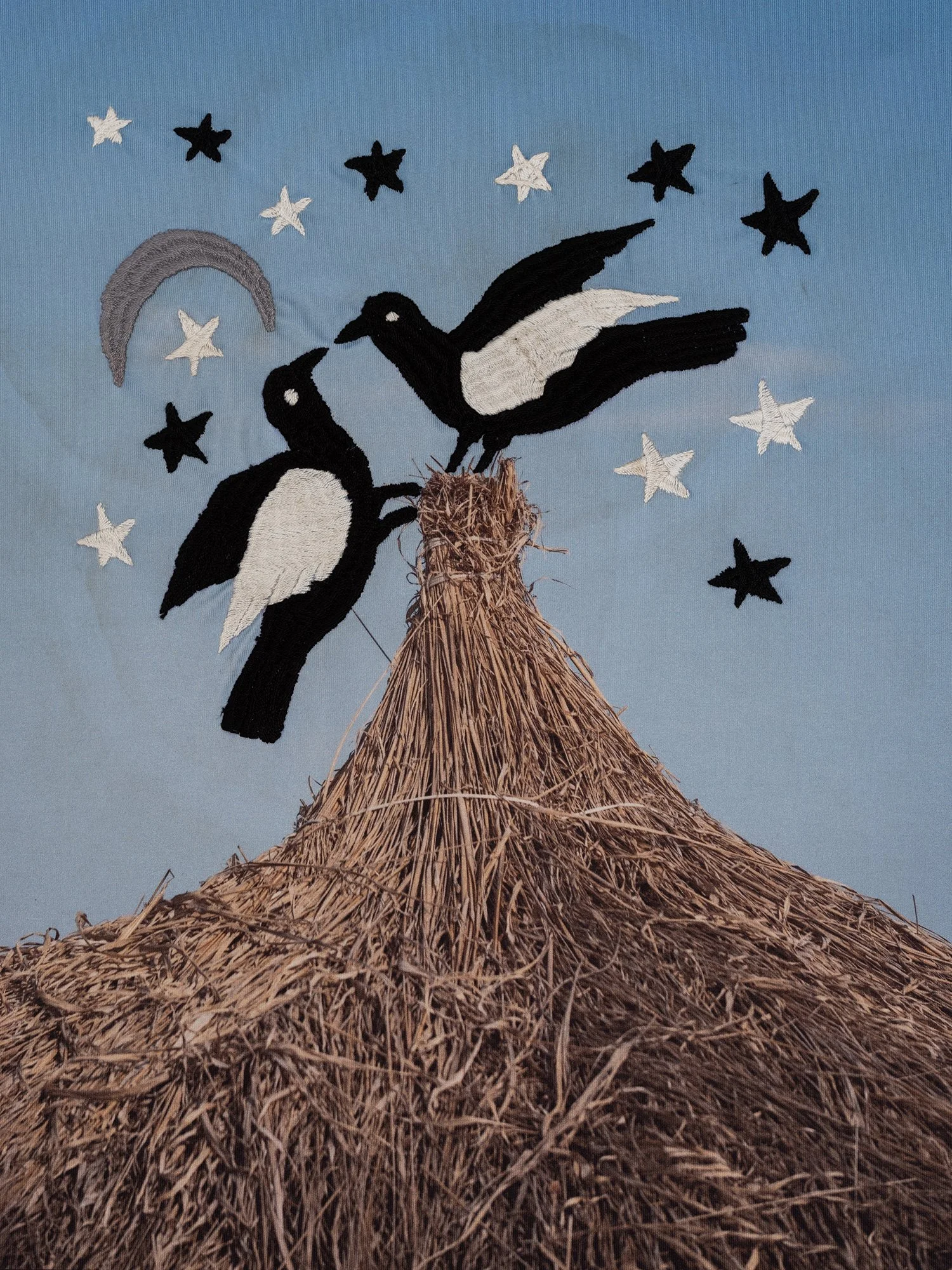
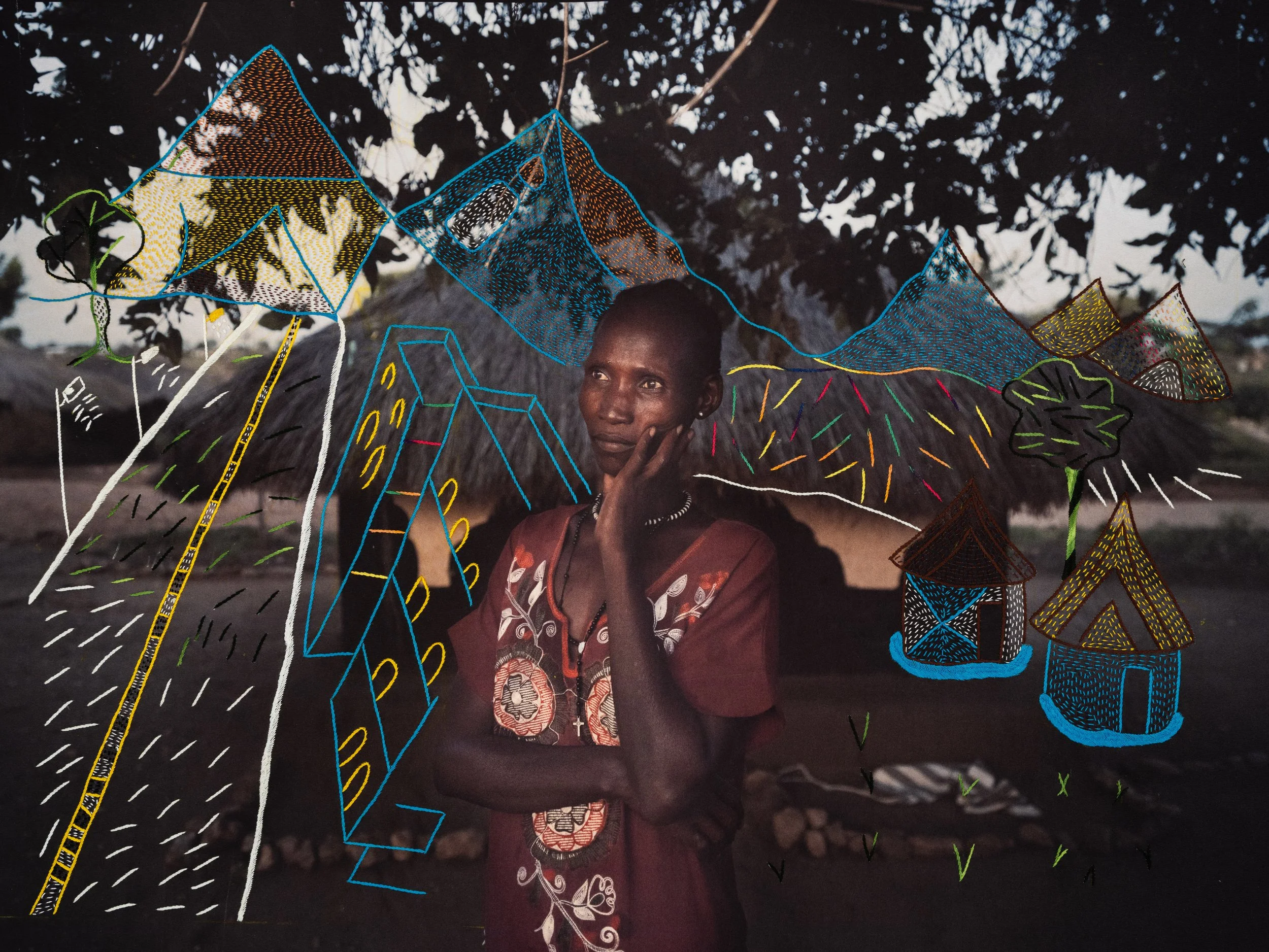
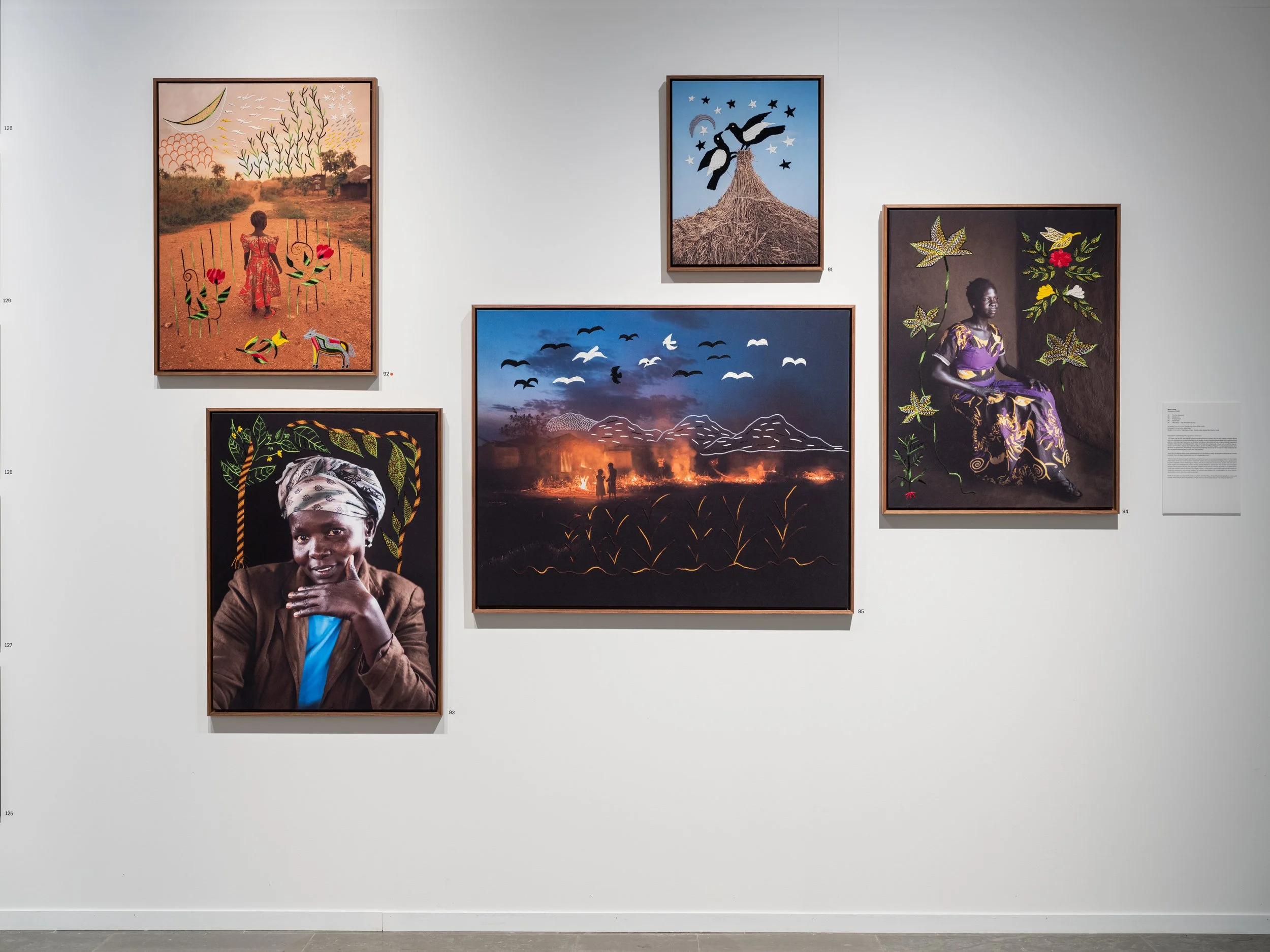
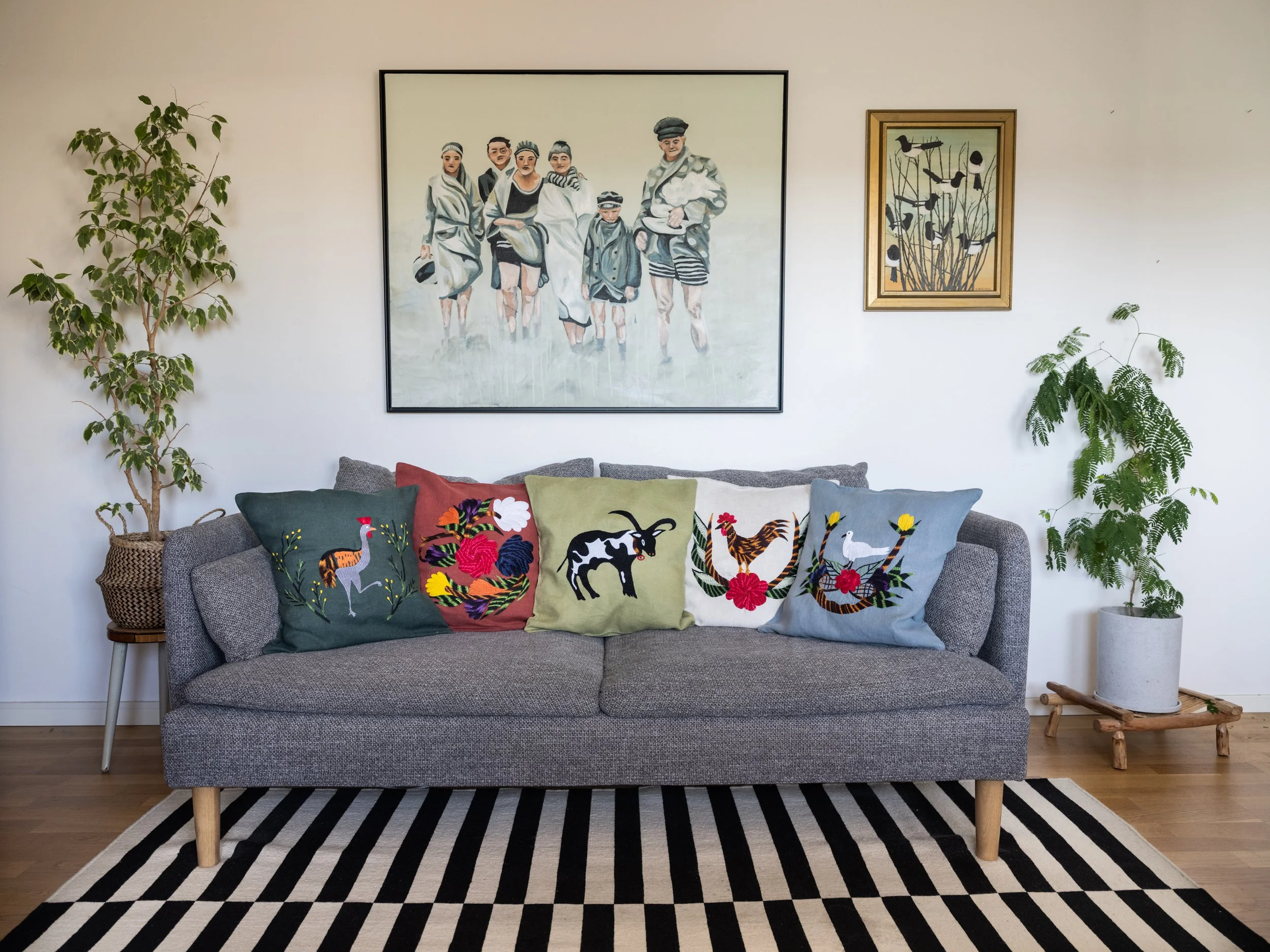
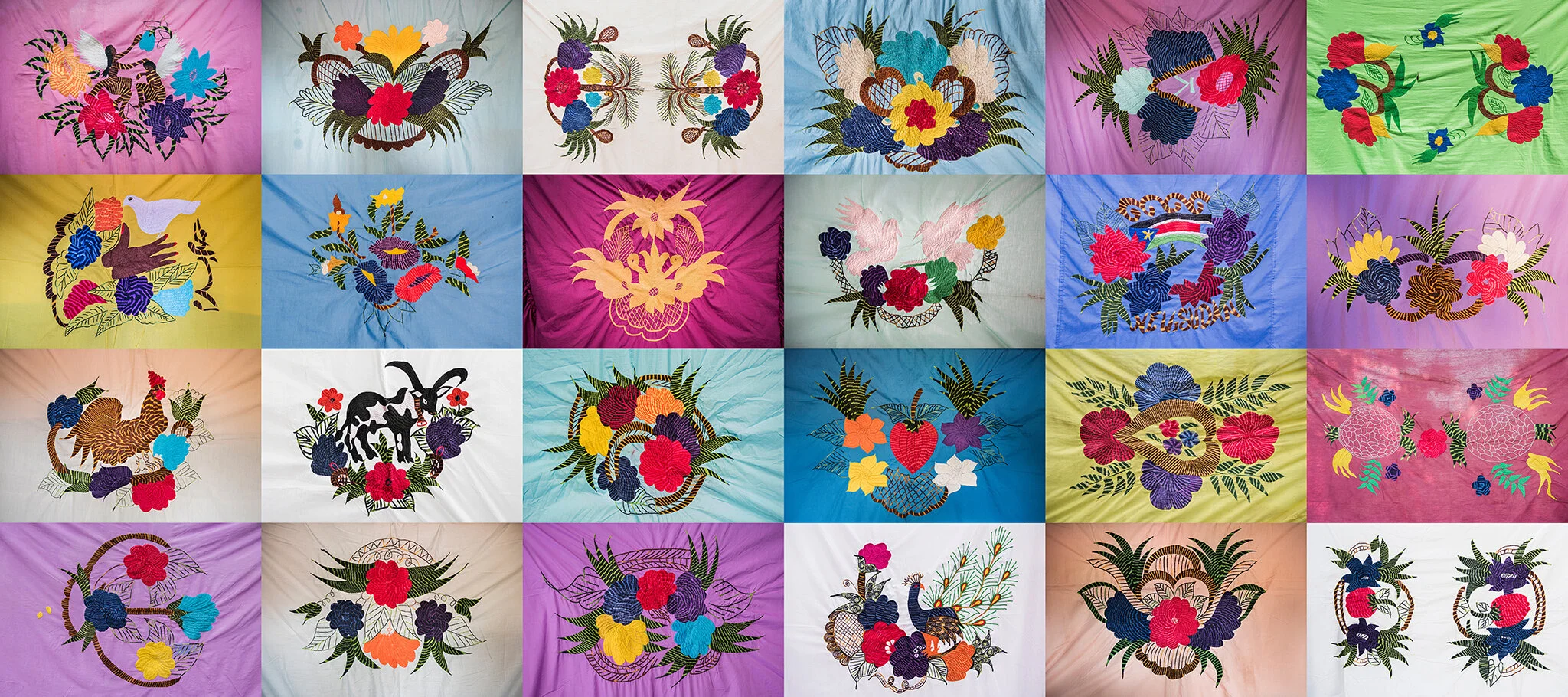
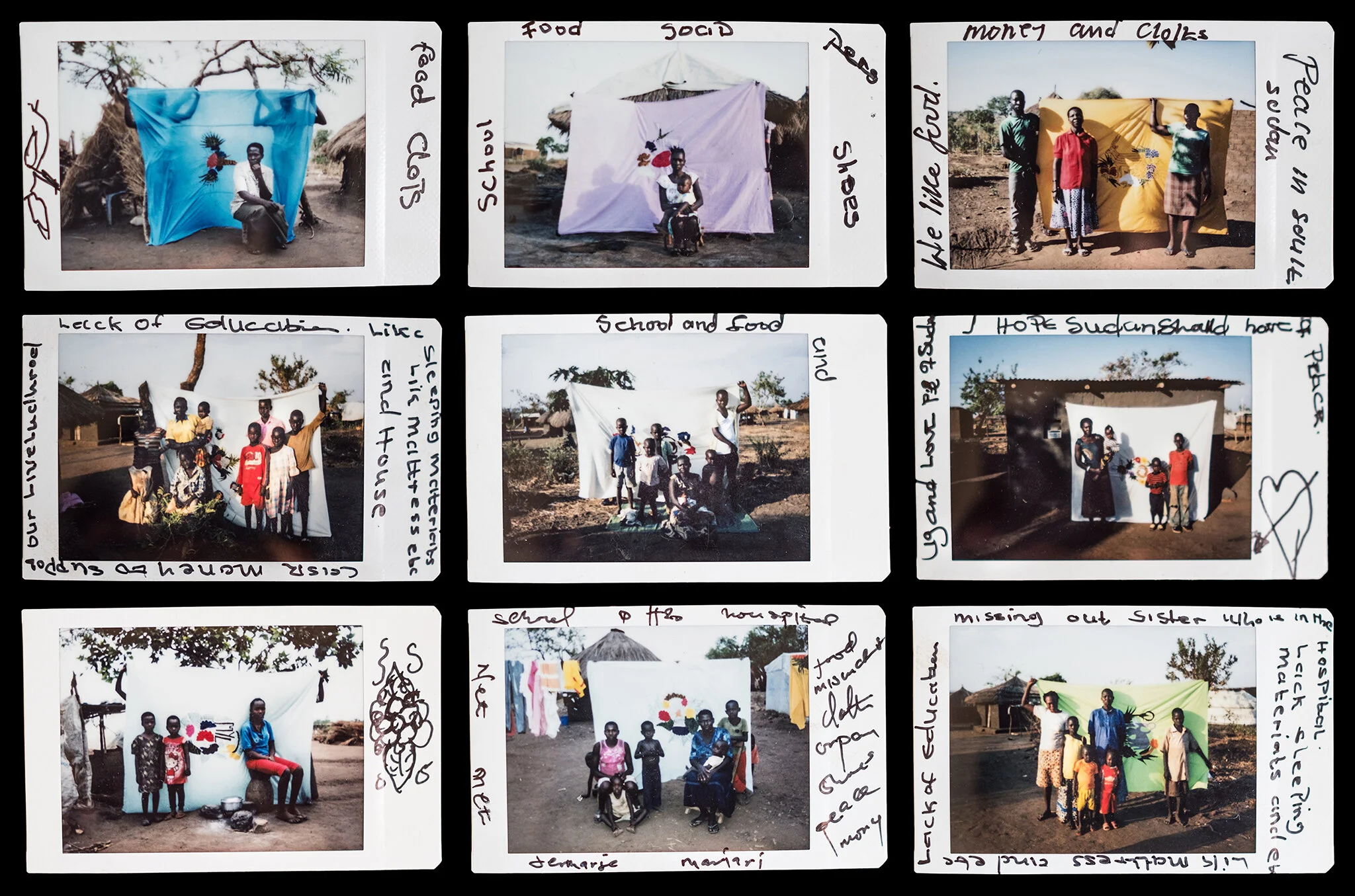
The embroidered prints are available for exhibitions and purchase.
For embroidered craft and more more about the project see Milaya Project.